English
 Español
 Deutsch
 Français
 عربي
عربي
Fuses in Solar PV Systems: Why They Matter and How to Choose the Right Ones
Solar photovoltaic (PV) systems generate clean energy, but they also produce high DC voltages that can pose serious safety risks if not properly protected. Fuses play a critical role in preventing electrical fires, equipment damage, and system failures.
- Why Are Fuses Critical in Solar Power Systems?
- Preventing Fire Hazards
PV systems operate at high DC voltages (up to 1500V).
A short circuit can generate extremely high fault currents (20kA ).
Without proper fusing, overheating can melt wires and start fires.
- Protecting Expensive Equipment
Inverters, charge controllers, and batteries are costly.
Fuses prevent reverse current flow (e.g., at night when panels aren’t generating power).
They also guard against overcurrent surges from shading or module failures.
- Meeting Electrical Codes
NEC 690.9 (U.S.) and IEC 60269-6 (International) require DC fuses in PV systems.
- DC Fuses vs. AC Fuses: Why Solar Needs Special Protection
Feature DC Fuses (for Solar) AC Fuses (General Use)
Arc Suppression Designed to extinguish DC arcs (no natural zero-crossing) Not optimized for DC (can fail catastrophically)
Voltage Rating 600V–1500V DC Typically 250V–600V AC
Breaking Capacity High (20kA ) for PV fault currents Lower (often 10kA)
Standards UL 248-19, IEC 60269-6 UL 248, IEC 60269-1
⚠ Never use AC fuses in a DC solar system! They may fail to interrupt current, leading to fires.
- How to Choose the Right Fuse for Your Solar System
Step 1: Match the Voltage Rating
600V DC fuses → Common for residential solar (up to 60A).
1000V–1500V DC fuses → Required for commercial/large-scale PV.
Step 2: Select the Correct Current Rating
Rule of thumb: Fuse rating = 1.25–1.56 × Isc (short-circuit current) of the PV string.
Example: If a solar panel’s Isc = 10A, use a 12.5A–15A fuse.
Step 3: Check the Breaking Capacity
Must be higher than the system’s maximum fault current (usually 10kA–20kA for PV).
Step 4: Choose the Right Type
FuseType Best For Pros Cons
PV Fuses (gPV/gPVR) General solar protection High DC breaking capacity, UL listed Slightly more expensive
NH Fuses Large commercial systems Very high current (up to 500A) Bulkier, requires special holders
Semiconductor Fuses Inverter protection Ultra-fast response Expensive, not for general PV use
- Where Should Fuses Be Installed?
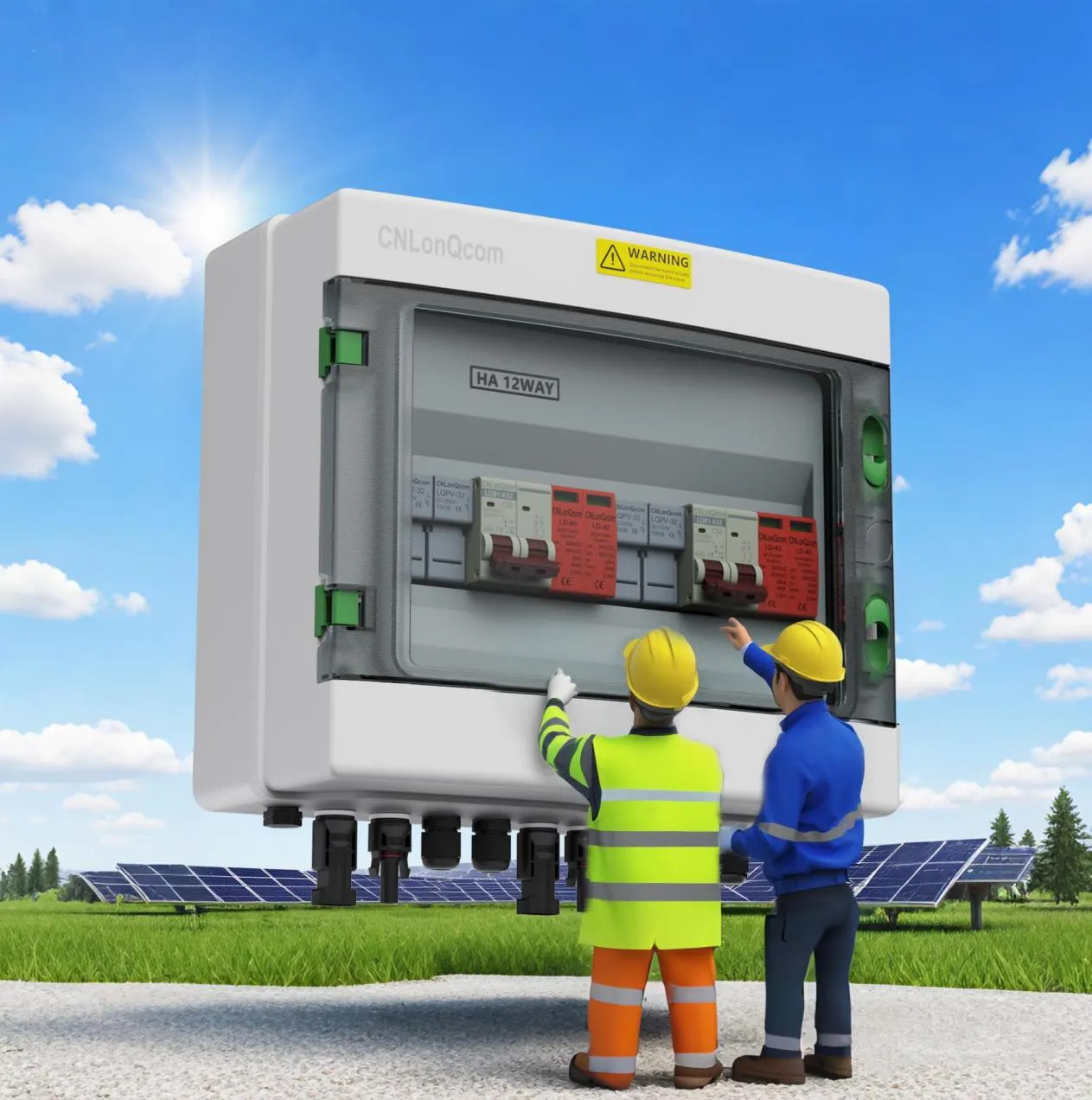
✔ Combiner Boxes → Protect individual PV strings.
✔ Battery Banks → Prevent overcurrent in energy storage systems.
✔ Charge Controllers → Guard against reverse current.
✔ Inverter Input → Last line of defense before DC-AC conversion.
Common Mistake: Installing fuses only at the inverter—this leaves other components unprotected!
- Maintenance & Troubleshooting
Check annually for corrosion or discoloration (signs of overheating).
Replace immediately if a fuse blows—never bypass it!
Use a clamp meter to verify current matches the fuse rating.
Conclusion:
Fuses are a small but vital part of any PV system. Choosing the wrong type (or skipping them entirely) can lead to fires, equipment damage, and voided warranties.