 English
 Español
 Deutsch
 Français
 عربي
عربي
Photovoltaic Combiner Box Material Comparison: Metal vs. Plastic Enclosures
In photovoltaic (PV) systems, the combiner box plays a critical role by consolidating multiple DC strings and feeding the combined output to an inverter. The material of its enclosure directly impacts system safety, service life, and maintenance costs. The two mainstream options on the market are metal enclosures (typically galvanized steel or stainless steel, commonly referred to as "metal boxes") and non-metallic enclosures (typically PC/ABS engineering plastics, commonly referred to as "plastic boxes"). Below is a comprehensive comparison across multiple technical dimensions.
Basic Differences Between the Two Materials
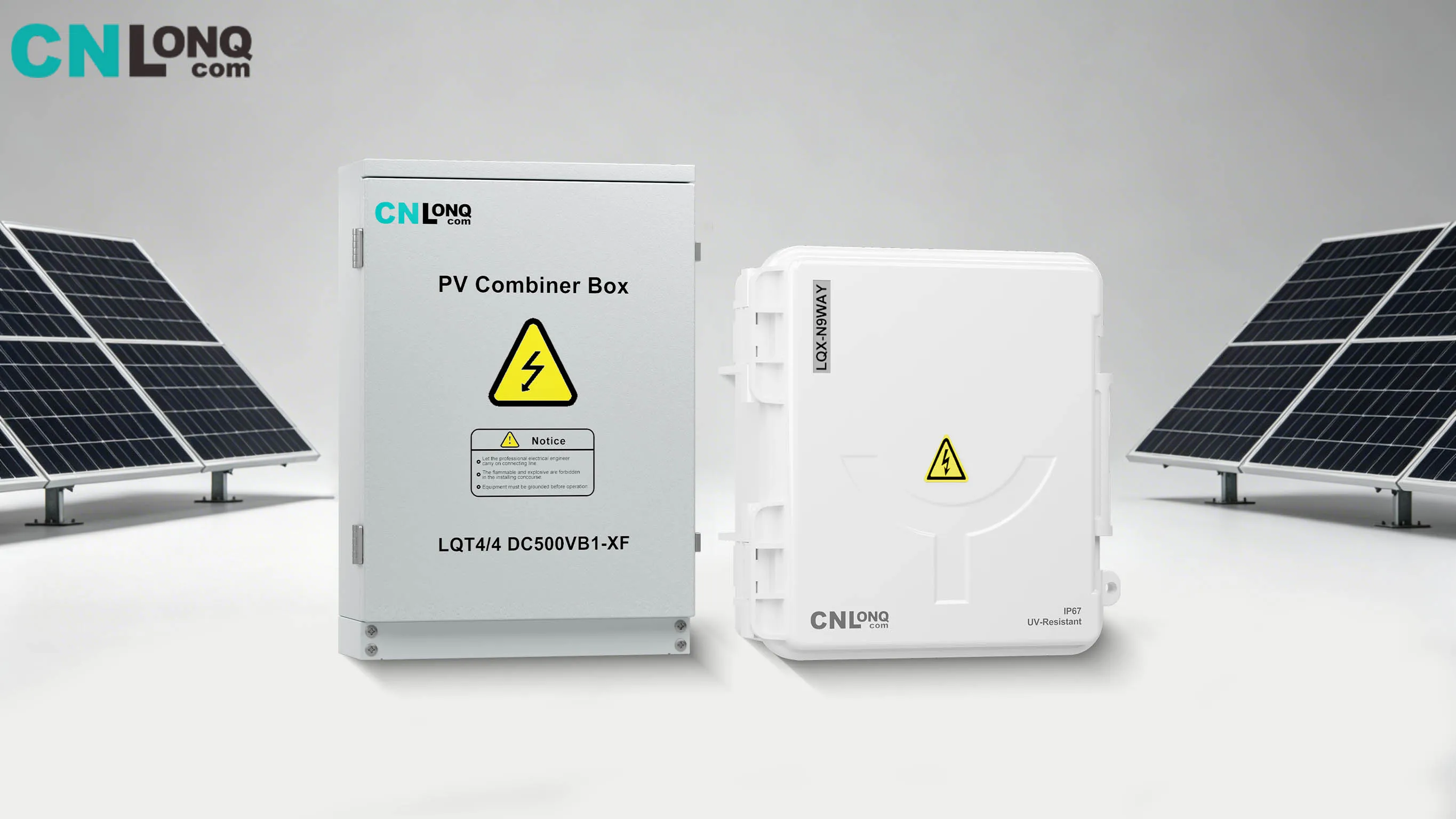
The most fundamental difference between metal and plastic enclosures lies in electrical conductivity and manufacturing process. Metal enclosures are made from steel sheets through cutting, bending, welding, and coating processes. The material is conductive, so reliable grounding is mandatory for safety. Plastic enclosures are produced via injection molding using engineering plastics. The material is inherently insulating and does not require grounding.
In terms of material properties, metal enclosures are rigid, strong, and durable, but they are dense and heavy, and are susceptible to rust in humid or corrosive environments — surface coating is essential for protection. Plastic enclosures are lightweight and corrosion-resistant, but they lack the rigidity of metal and may slowly degrade under long-term outdoor UV exposure.
Suitable Application Environments
Metal enclosures are better suited for large ground-mounted power plants, desert installations, high-altitude regions, areas with strong sandstorms, and locations where mechanical impact is a risk. In these environments, the high impact resistance, UV stability, and long-term structural integrity of metal are clear advantages. Metal enclosures also provide electromagnetic shielding, making them a good choice when sensitive monitoring or communication equipment is installed nearby.
Plastic enclosures are more suitable for coastal areas, floating PV systems, rooftop distributed projects, chemical plants, and agricultural or livestock facilities. These environments typically involve high humidity, salt fog, or corrosive atmospheres, where corrosion resistance is essential, or where reduced weight and simplified grounding are beneficial. The non-corrosive, insulating, and lightweight properties of plastic enclosures make them the better option in these scenarios.
Weight and Ease of Installation
Metal enclosures are significantly heavier than plastic enclosures — typically two to three times the weight for the same internal volume. A typical 16-string metal combiner box may weigh 10–15 kg, while a comparable plastic box may weigh only 5–8 kg. The heavier metal enclosure requires more effort to transport and mount, and places higher demands on the wall or mounting structure. Plastic enclosures are lightweight and can be handled and installed by a single worker, which is especially advantageous for rooftop or elevated installations, reducing labor intensity and safety risks.
Mechanical Strength and Impact Resistance
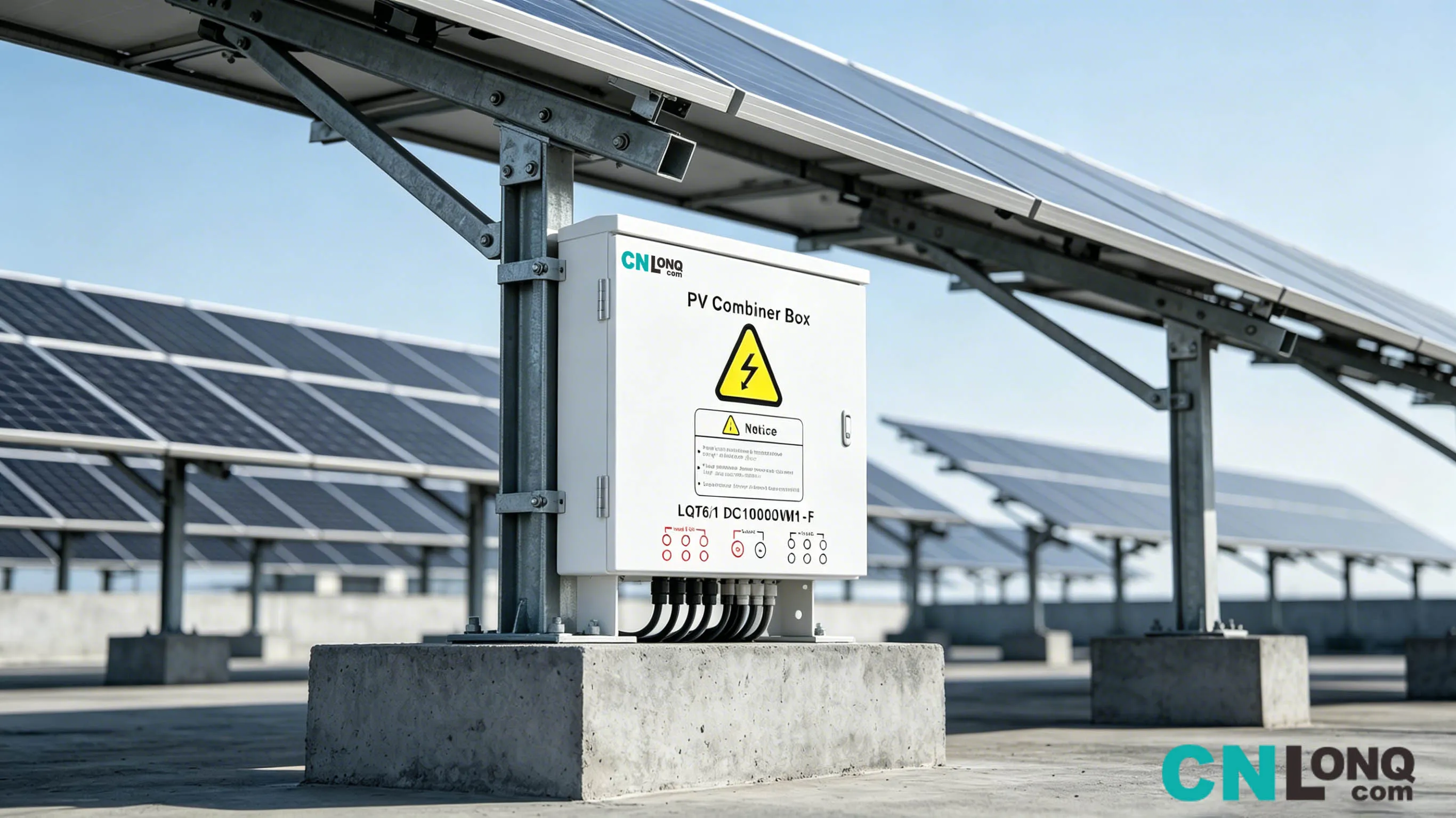
Metal enclosures offer excellent mechanical strength and superior resistance to impact, compression, and twisting. In the event of accidental collisions, windblown debris, or even vandalism, a metal enclosure is unlikely to deform or break, providing robust protection for internal components. Quality plastic enclosures have good toughness, but under extreme impact — such as being struck by heavy objects or high-velocity stones — the housing may crack or even be punctured. In areas with heavy machinery activity, frequent human traffic, or high risks of natural hazards, the strength advantage of metal is a key factor.
Corrosion Resistance and Weathering Performance
This is one of the areas with the greatest difference between the two materials. Even with surface coating, metal enclosures are prone to rust over time, especially at cut edges, screw holes, and welds. In coastal areas with high salt fog, industrial zones with acidic gases, or consistently humid regions, metal enclosures can corrode rapidly, potentially reducing service life to as little as five to seven years. Plastic enclosures are inherently resistant to salt fog, acids, alkalis, and moisture — they do not rust. However, standard plastics can become brittle under intense UV exposure, so high-quality plastic enclosures must be made from UV-stabilized engineering plastics to truly outperform metal in weathering performance.
Insulation and Electrical Safety
Metal enclosures are conductive. If an internal fault causes a live component to contact the inner wall, the entire enclosure becomes live. If the grounding system is inadequate or damaged, personnel touching the enclosure could suffer a severe electric shock. Therefore, metal enclosures require a reliable ground connection and regular inspection. Plastic enclosures are naturally insulating. Even if an internal fault occurs, the outer surface remains non-conductive, eliminating the risk of shock from touching the enclosure. This safety advantage is particularly important in wet environments or where personnel frequently interact with the combiner box.
Heat Dissipation and Thermal Conductivity
Metal has good thermal conductivity, allowing the enclosure itself to act as a heat sink. Components inside the combiner box, such as fuses and blocking diodes, generate heat during operation. A metal enclosure conducts this heat away from the interior and dissipates it to the surrounding air, helping to keep internal temperatures lower. Plastic has poor thermal conductivity, acting as a thermal insulator. Heat generated inside is not easily transferred through the walls, leading to heat buildup. This can raise the internal ambient temperature, potentially reducing the reliability and service life of the components. For combiner boxes handling higher currents and greater heat generation, metal has a clear advantage.
Water and Dust Protection (Ingress Protection)
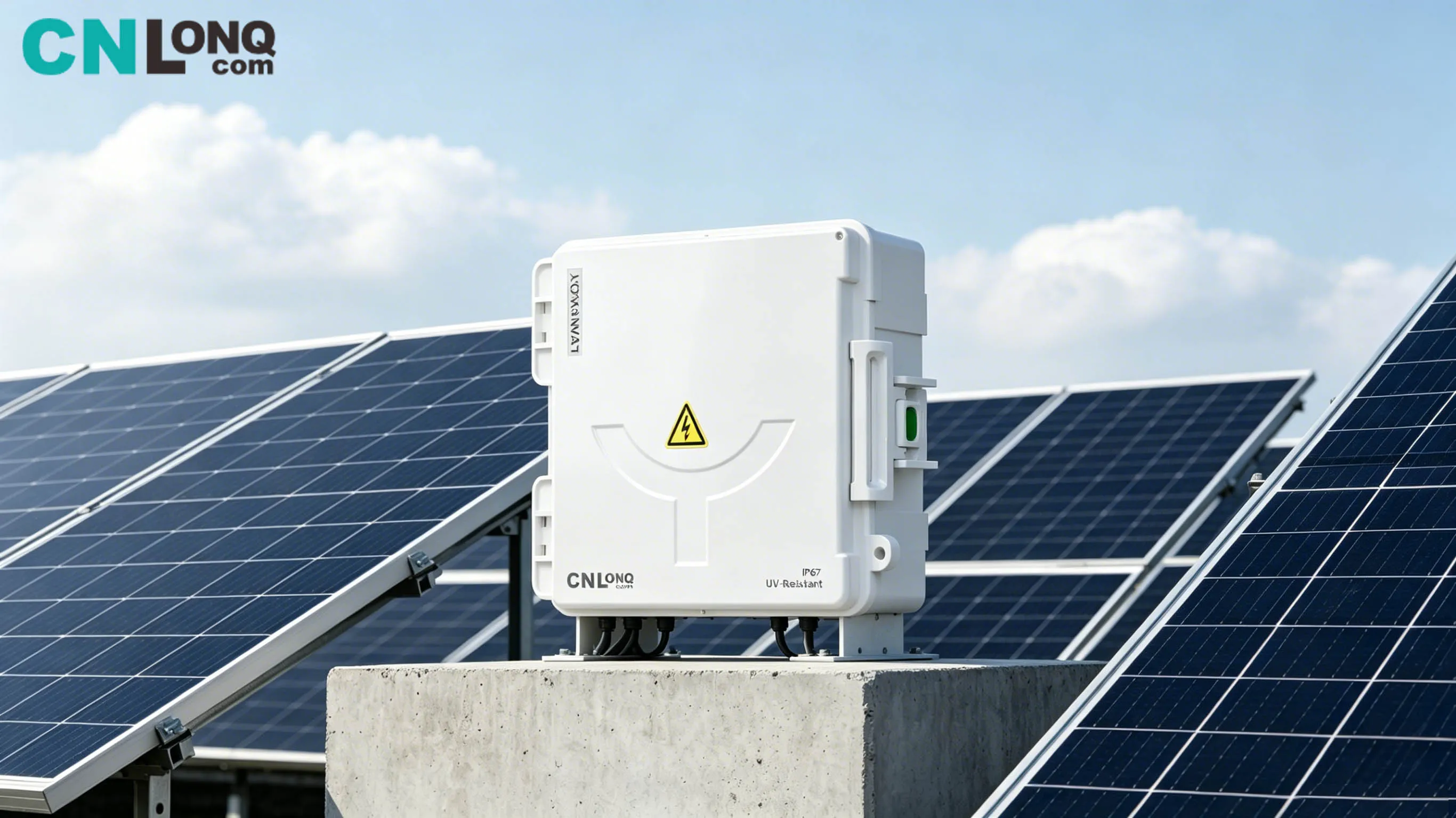
The level of water and dust protection depends primarily on the enclosure design and the quality of the gaskets or seals, rather than on the material itself. Both metal and plastic enclosures can achieve IP65 or higher ratings if properly designed and sealed. However, over long-term use, metal enclosures experience more expansion and contraction due to temperature changes. Differences in thermal expansion coefficients between metal and the sealing material may cause seals to loosen or deform, potentially compromising protection. Plastic enclosures have thermal expansion characteristics closer to those of typical sealing materials, and injection-molded plastic boxes have no welded seams — which gives them a slight advantage in maintaining long-term seal integrity. That said, if a plastic enclosure is made from a material with insufficient temperature tolerance, it may warp under intense sunlight, also affecting the seal.
Flame Retardancy and Fire Rating
Metal enclosures are non-combustible. They will not burn under any conditions, nor will they serve as a fuel source or propagate flames. In the event of a severe internal arc fault that leads to fire, a metal enclosure effectively contains the fire and prevents it from spreading outward. Plastic enclosures are made from flame-retardant engineering plastics, typically meeting the UL94 V-0 standard — meaning they self-extinguish within 10 seconds in a vertical burn test and do not produce flaming droplets. However, flame-retardant does not mean non-combustible. Under sustained high heat or intense fire exposure, a plastic enclosure will soften, melt, and eventually burn through. In applications where fire safety is extremely critical — such as rooftop installations above warehouses storing flammable materials or PV systems near occupied buildings — the non-combustible nature of metal provides a greater margin of safety.
Cost and Service Life
In terms of initial purchase cost, standard metal enclosures are often less expensive than equivalent high-quality plastic enclosures, as steel and coating processes are mature and material costs are relatively low. However, a full life-cycle cost analysis is necessary. In ordinary environments, a metal enclosure may last 10–15 years, and a quality plastic enclosure can achieve a similar lifespan. In corrosive environments, a metal enclosure may begin to rust severely within five to six years, requiring replacement or frequent maintenance, while a plastic enclosure can function normally for more than a decade. Conversely, in areas with intense UV radiation or extreme temperature variations, a low-grade plastic enclosure may become brittle and crack within three to five years, whereas metal would be more durable. Therefore, the cost comparison cannot be generalized — it must be evaluated based on the specific installation environment.
Electromagnetic Shielding
Metal enclosures provide good electromagnetic shielding. DC circuits inside a combiner box generate electromagnetic radiation during normal operation, and DC arcs can produce wideband electromagnetic interference. The metal housing acts as a barrier, containing this radiation and preventing it from interfering with nearby electronic devices such as communication modules, data loggers, and monitoring instruments. Plastic enclosures have no inherent shielding capability — electromagnetic waves can pass through the housing freely. If a combiner box is located near sensitive electronic equipment or close to a control room or communication base station, a plastic enclosure may allow electromagnetic leakage that could cause signal anomalies or communication disruptions.
Appearance, Aesthetics, and Maintenance
Plastic enclosures, being injection-molded, allow for more varied shapes and colors. Edges are smooth and rounded, and the overall appearance is more integrated. The color is less prone to fading over time, preserving a clean look. Metal enclosures are typically fabricated by bending and welding, resulting in a more boxy shape with sharper edges. Surface coatings may develop scratches, peeling, or fading after extended outdoor use.
In terms of maintenance, the differences are modest. However, over many years of service, metal enclosures may suffer from rusted screws or corroded hinges that make opening the box difficult, increasing maintenance challenges. Plastic enclosures often use metal inserts for screws and hinges — while the inserts themselves may rust, the main housing does not corrode, and access is generally easier.
Summary
To summarize the multi-dimensional comparison:
Metal enclosures offer higher mechanical strength, better impact resistance, superior heat dissipation, non-combustibility, electromagnetic shielding, and often lower initial cost in normal environments. They are best suited for large ground-mounted power plants, high-altitude and sandstorm-prone regions, and applications where electromagnetic compatibility is important.
Plastic enclosures provide lighter weight, excellent corrosion resistance, inherent electrical safety, stable sealing over time, and easier maintenance. They are best suited for coastal areas with high salt fog, floating PV, corrosive environments such as chemical plants, and rooftop distributed projects where weight and shock hazard are concerns.
In practical selection, there is no simple answer as to which material is better. The choice should be made based on the specific environmental conditions, safety requirements, budget constraints, and expected service life of the project. Regardless of which enclosure material is chosen, attention should be paid to the ingress protection rating (IP65 or higher is recommended), flame retardancy rating (V-0 for plastic enclosures), quality of internal components, and overall workmanship — these factors ultimately determine the long-term reliability of the combiner box.
