 English
 Español
 Deutsch
 Français
 عربي
عربي
How to Choose PV Combiner Box: Plastic vs Cold‑Rolled Steel Enclosure Selection Guide
Date:8/12/2026 8:53:00 AM Click:154
In photovoltaic systems, the PV combiner box is a critical component on the DC side. It consolidates PV strings and provides overload protection and lightning surge protection. The enclosure material directly determines service life, environmental resistance and long‑term O&M costs.
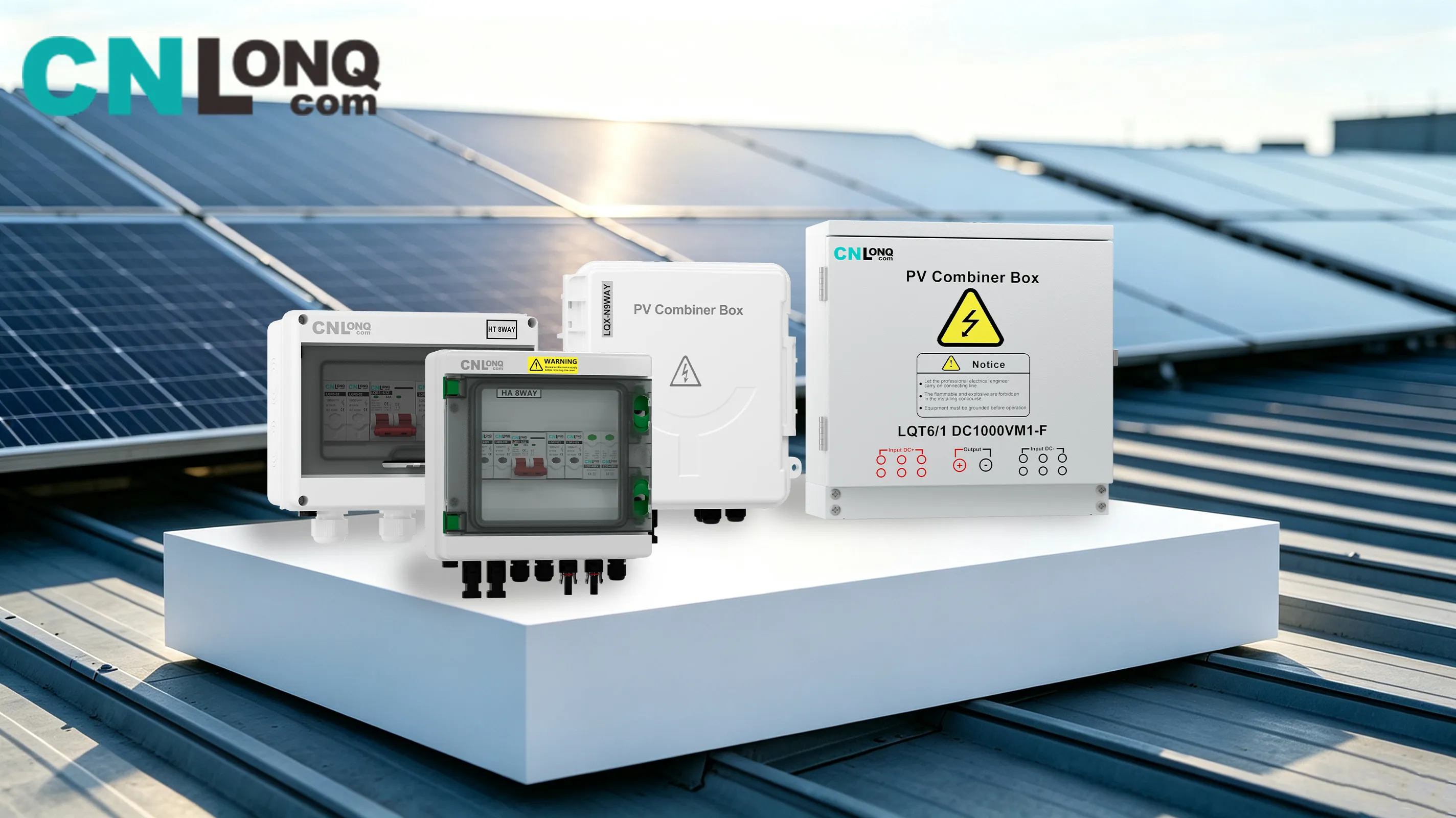
CNLONQ offers two main categories of PV combiner boxes:
Many project developers and installers often wonder about the real differences between these two material options and which one fits specific site conditions. This practical guide breaks down product features and gives clear selection recommendations.
Product Overview
Plastic Enclosure: LONQ‑N / LONQ‑A / LONQ‑C Series
The LONQ plastic combiner boxes are injection‑molded from modified PC ABS engineering plastic with UL94‑V0 flame retardant rating and IP65 ingress protection, fully dust‑tight and resistant to high‑pressure water jets from all directions.
- LONQ‑C: Compact entry‑level model. Small footprint for fewer PV strings. Ideal for residential PV and small‑scale distributed rooftops with limited mounting space.
- LONQ‑A: Standard general‑purpose version. Flexible DIN‑rail layout supports expandable fuses, surge protection devices and monitoring modules. Wide string‑count coverage for most small‑to‑medium commercial & industrial rooftop projects.
- LONQ‑N: Enhanced weather‑resistant variant. Formulated with extra anti‑UV anti‑aging additives for superior temperature‑cycle performance for long‑term outdoor sun‑exposed installations.
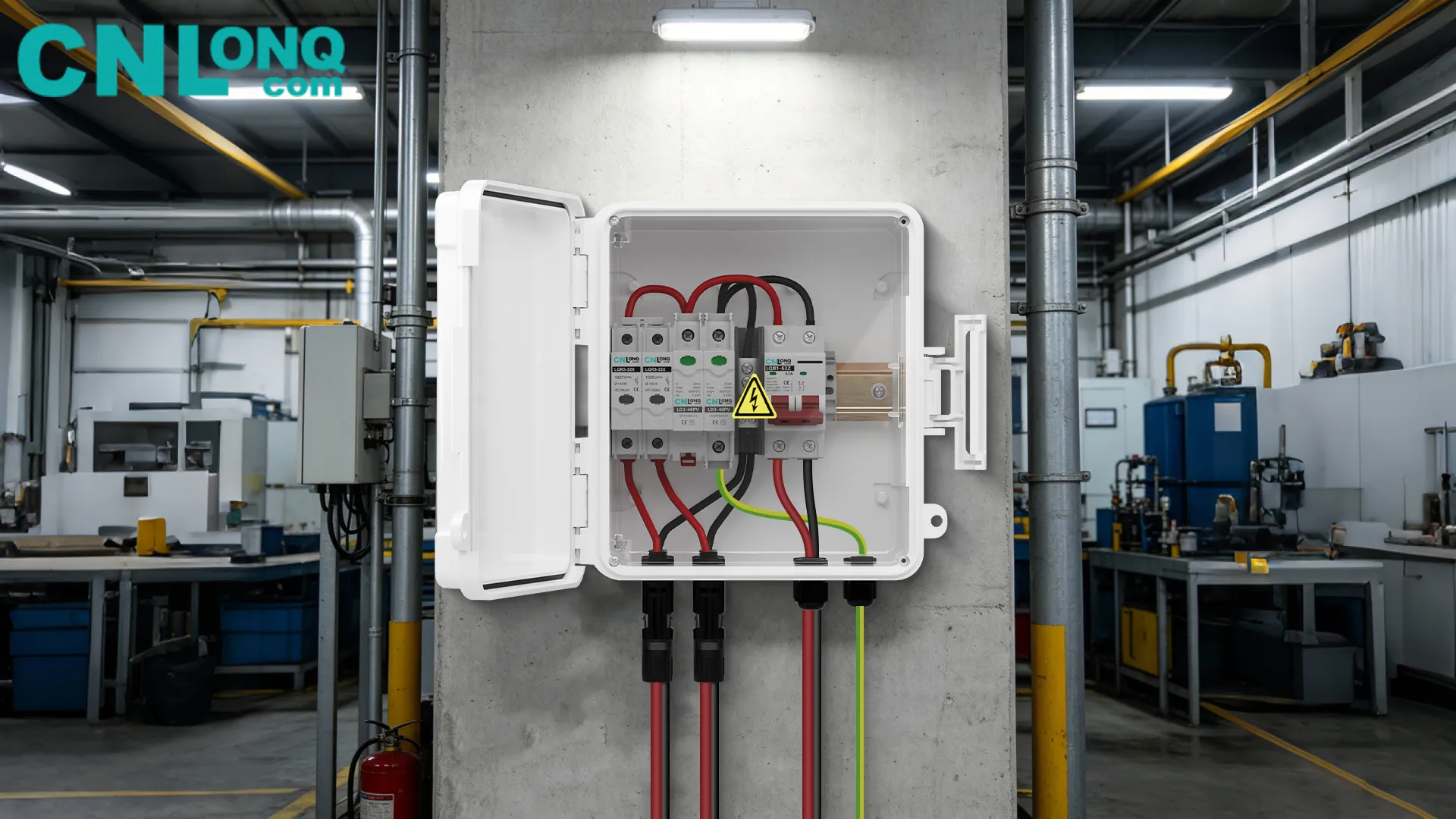
Plastic housings are naturally non‑conductive, simplifying earthing requirements. Light‑weight design allows single‑person wall‑mount installation. One‑piece molded construction eliminates welding gaps. Its sealing gasket shares similar thermal expansion coefficient with the housing, maintaining reliable sealing against water and dust even under repeated temperature swings.
Cold‑Rolled Steel Enclosure: LQT Series
The LQT combiner boxes are fabricated from high‑quality cold‑rolled steel sheet via bending and welding, finished with electrostatic powder coating. It also reaches IP65 protection grade. Spacious interior accommodates heavy‑duty copper busbars and multiple components. It delivers outstanding mechanical impact resistance and anti‑crushing performance.
Metal enclosures are electrically conductive and require mandatory reliable earthing. Higher unit weight needs wall load‑bearing assessment during installation. Anti‑corrosion performance depends entirely on the powder coating. Once the paint layer gets chipped or scratched, rust will gradually develop in humid or corrosive surroundings.
Key Differences: Plastic vs Cold‑Rolled Steel
1. Electrical Safety
- LONQ Plastic Series: Non‑conductive enclosure reduces electric‑shock risks for field maintenance personnel even in case of internal insulation failure. UL94‑V0 flame retardant grade prevents flame spread.
- LQT Cold‑Rolled Steel Series: Conductive metal shell. Proper earthing is compulsory to avoid hazardous live enclosure risk. Metal itself is non‑combustible and helps contain internal arc‑fire hazards.
2. Corrosion & Environmental Tolerance
- LONQ Plastic Series: Excellent resistance to salt spray, moisture and mild chemical vapors. Anti‑UV formula on LONQ‑N mitigates brittling caused by prolonged strong sunlight.
- LQT Cold‑Rolled Steel Series: Performs well in dry inland atmospheric conditions. Not suitable for coastal salt‑spray zones, chemical plants or high‑humidity sites. Scratched coating triggers rust and demands regular inspection and touch‑up painting.
3. Mechanical Strength & Impact Resistance
- LONQ Plastic Series: Handles regular wind‑sand abrasion. Risk of cracking under heavy physical blows or sharp‑object impact.
- LQT Cold‑Rolled Steel Series: Robust anti‑crash and anti‑deformation performance. Well‑suited for sites vulnerable to falling stones, knocks and mechanical contact. Supports high‑current multi‑string configurations.
4. Weight & Installation
- LONQ Plastic Series: Light weight, low wall load. Suitable for metal‑sheet rooftops and thin‑wall mounting points. Easy transportation and field assembly.
- LQT Cold‑Rolled Steel Series: Heavier unit. Wall load‑bearing check is required. Usually two‑person handling and installation; watch out for sharp sheet‑metal edges.
5. Heat Dissipation
- LONQ Plastic Series: Low thermal conductivity slows outward heat transfer. Adequate internal clearance must be reserved for component heat dissipation under high‑ambient‑temperature conditions.
- LQT Cold‑Rolled Steel Series: Metal shell conducts heat faster, delivering better thermal performance for multi‑string high‑current combiner applications.
Application & Site‑Based Selection Advice
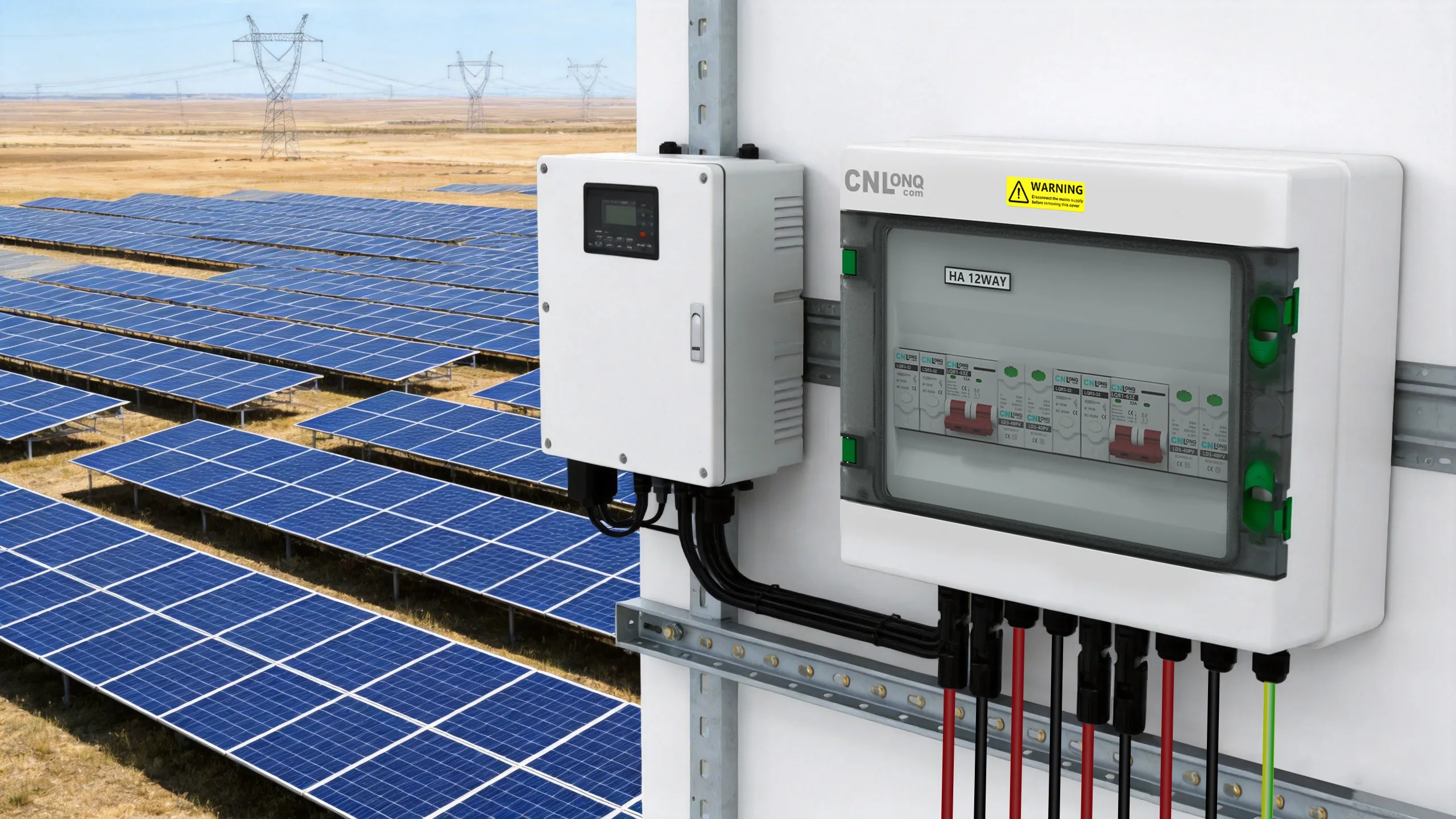
Choose LONQ Plastic Series (LONQ‑N / LONQ‑A / LONQ‑C) for these scenarios
✅ Residential distributed PV and metal‑sheet rooftops. Light weight reduces roof load. Prioritize LONQ‑C for compact small‑string projects and LONQ‑A for general‑purpose use.
✅ Coastal areas, fishery‑solar hybrid sites and locations with heavy salt‑spray exposure. Select weather‑enhanced LONQ‑N for maximum anti‑UV and anti‑corrosion performance.
✅ Chemical plants, livestock farms and sites with mild corrosive fumes. Plastic resists moisture and acid‑alkaline vapors.
✅ Mounting positions with limited wall load‑bearing capacity or high‑altitude wall‑mount installations.
✅ Regions with high rainfall and persistent high humidity. Integrated‑molding structure ensures long‑lasting sealing integrity.
Note: For locations under intense continuous sunlight, opt for LONQ‑N anti‑UV model to maximize service lifespan.
Choose LQT Cold‑Rolled Steel Series for these scenarios
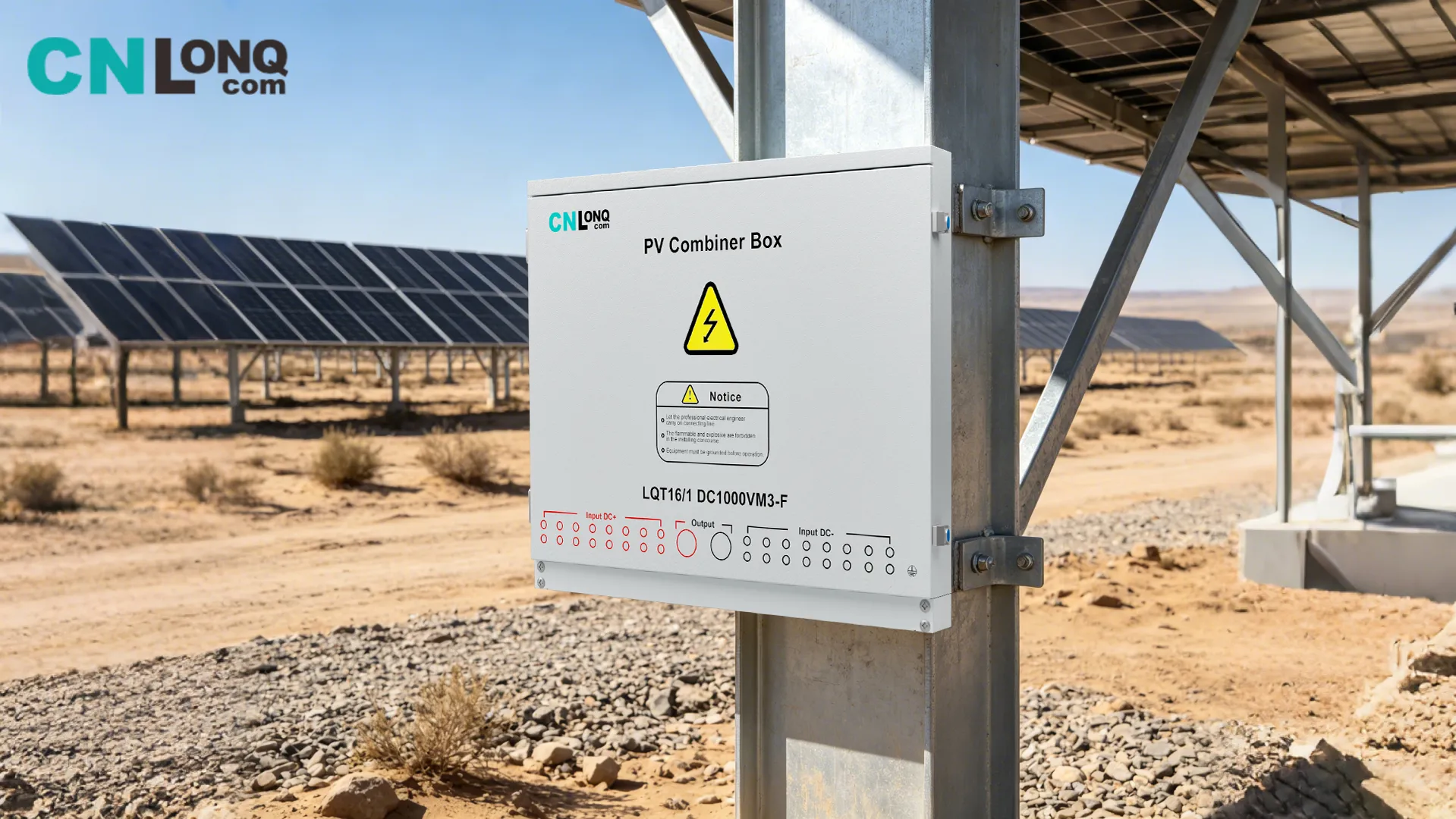
✅ Ground‑mount utility‑scale PV stations and mountain‑side solar farms where falling stones and physical knocks are common. Superior mechanical protection.
✅ High‑power commercial & industrial projects requiring multi‑string high‑current combination. Metal housing benefits heat dissipation and fits heavy‑duty copper busbars.
✅ Construction‑site surroundings or locations with frequent human‑equipment interaction where enclosure collision risk is high.
✅ Dry inland and desert‑type sites without salt‑spray or corrosive atmosphere, offering cost‑effective performance with intact powder coating.
Important reminder: Do NOT deploy LQT steel combiner boxes in heavy salt‑spray coastal environments. Always implement reliable earthing. Periodically inspect for paint chipping and apply touch‑up coating if damage occurs.
Final Summary
Neither material is universally superior. The right choice depends on actual site conditions.
- Prioritize LONQ plastic combiner boxes for corrosion resistance, light weight, inherent electrical safety, salt‑spray zones and rooftop residential PV:
LONQ‑C for compact small‑string jobs; LONQ‑A for general projects; LONQ‑N for heavy sun‑exposed or corrosive environments.
- Prioritize LQT cold‑rolled steel combiner boxes when you need high mechanical impact resistance, multi‑string high‑current capacity and deployment within dry non‑corrosive locations.
Evaluate on‑site salt‑spray level, humidity, collision risk and wall load capacity at project planning stage. Proper material selection lowers field failure rates and replacement costs, securing stable long‑term DC‑side PV operation.
