 English
 Español
 Deutsch
 Français
 عربي
عربي
Summer High Temperature & Thunderstorm Safety Guidelines for PV Power Station Operation
Date:8/31/2026 1:54:12 PM Click:153
1. Impact of Sustained High Temperatures on PV Systems
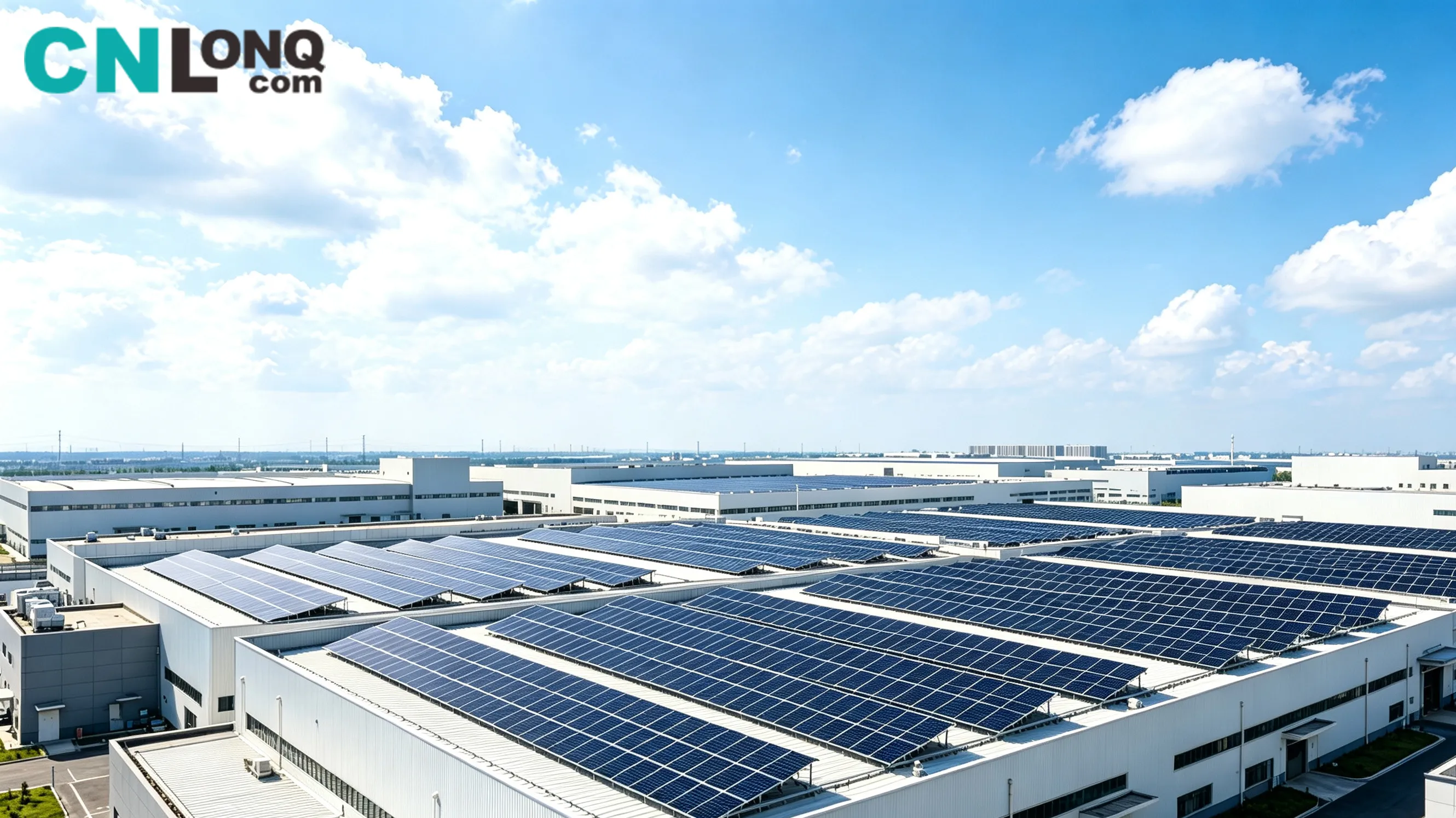
A common misconception among PV users is that stronger sunlight and higher temperatures always bring higher power generation efficiency. In fact, PV modules are highly temperature-sensitive and perform differently under extreme heat. When module surface temperatures exceed standard operating conditions under continuous summer sunshine, power generation efficiency declines significantly, resulting in direct economic losses in power output.
Long-term high-temperature operation also accelerates the aging of the entire PV system. Cables, terminal connectors, junction boxes and inverters are prone to softening, hardening, cracking and oxidative blackening under persistent heat load. These aging problems cause poor contact, local overheating and abnormal resistance. If left unaddressed, they may trigger frequent tripping, short circuits, component burnout and even electrical fires, posing major threats to operational safety and asset value.
2. Safety Risks Brought by Thunderstorms and Lightning
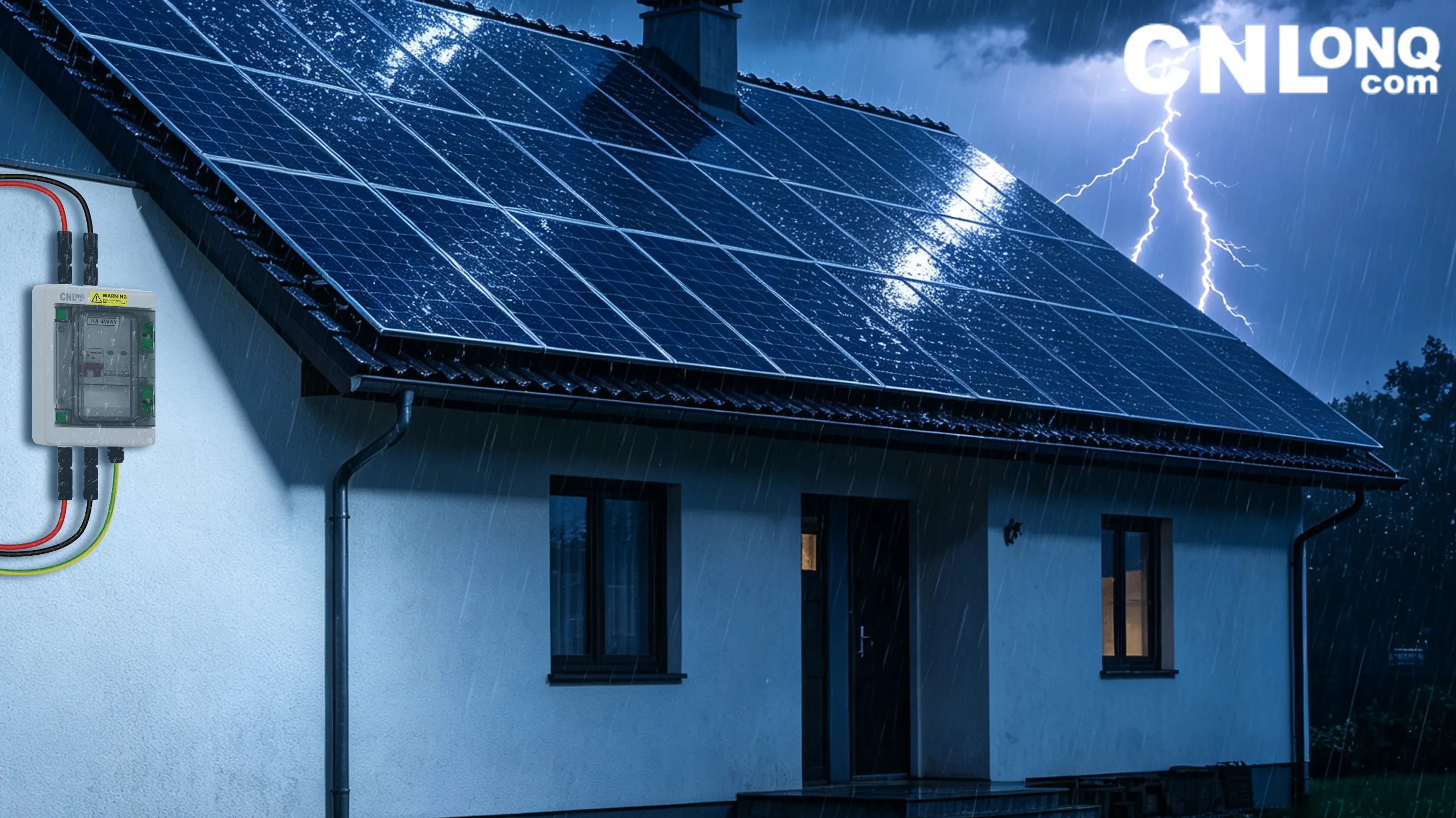
PV power stations are mostly installed on the highest points of buildings with no surrounding shielding structures, making them highly vulnerable to direct lightning strikes and induced lightning currents. PV systems feature large exposed metal brackets and extensive outdoor DC wiring, which form a wide conductive area and increase lightning exposure risks.
During thunderstorm seasons, strong induced currents generated by lightning surges may invade the entire DC system if the lightning protection and grounding system fails. Common problems include aging lightning protection devices, loose or broken grounding wires and unqualified grounding resistance. Such defects can lead to instant breakdown of inverters, controllers and junction boxes, causing permanent equipment damage. In addition, electrostatic induction and sudden voltage spikes during thunderstorms may result in electric leakage and arc flashing, greatly increasing rooftop fire hazards and endangering property and personal safety.
3. Hidden Dangers of Heavy Rain and Strong Winds
Summer short-term heavy rainfall often causes rooftop water accumulation and poor drainage. Long-term water immersion accelerates corrosion on module frames, bracket bases and metal fasteners, damaging structural stability and anti-corrosion coatings. Rainwater may also penetrate equipment gaps and cable interfaces, leading to dampened circuits, decreased insulation performance and internal short-circuit faults.
Meanwhile, strong winds and convective weather carry dust, leaves and floating debris, which easily accumulate on module surfaces and block drainage outlets. Blocked shading causes local power failure and hot spot faults, while clogged drains further aggravate water accumulation and corrosion. Under extreme wind conditions, PV brackets and clamping parts may loosen or deform, and even cause module displacement or structural collapse in severe cases.
4. Professional Summer Operation & Maintenance Specifications
To address seasonal weather risks, we have summarized practical and industry-oriented maintenance standards covering heat dissipation protection, lightning grounding inspection, flood prevention and comprehensive equipment troubleshooting. Suitable for both residential and commercial distributed PV scenarios, these operational guidelines are practical, easy to implement and highly adaptable to global outdoor environments.
4.1 High Temperature Heat Dissipation & Daily Equipment Maintenance
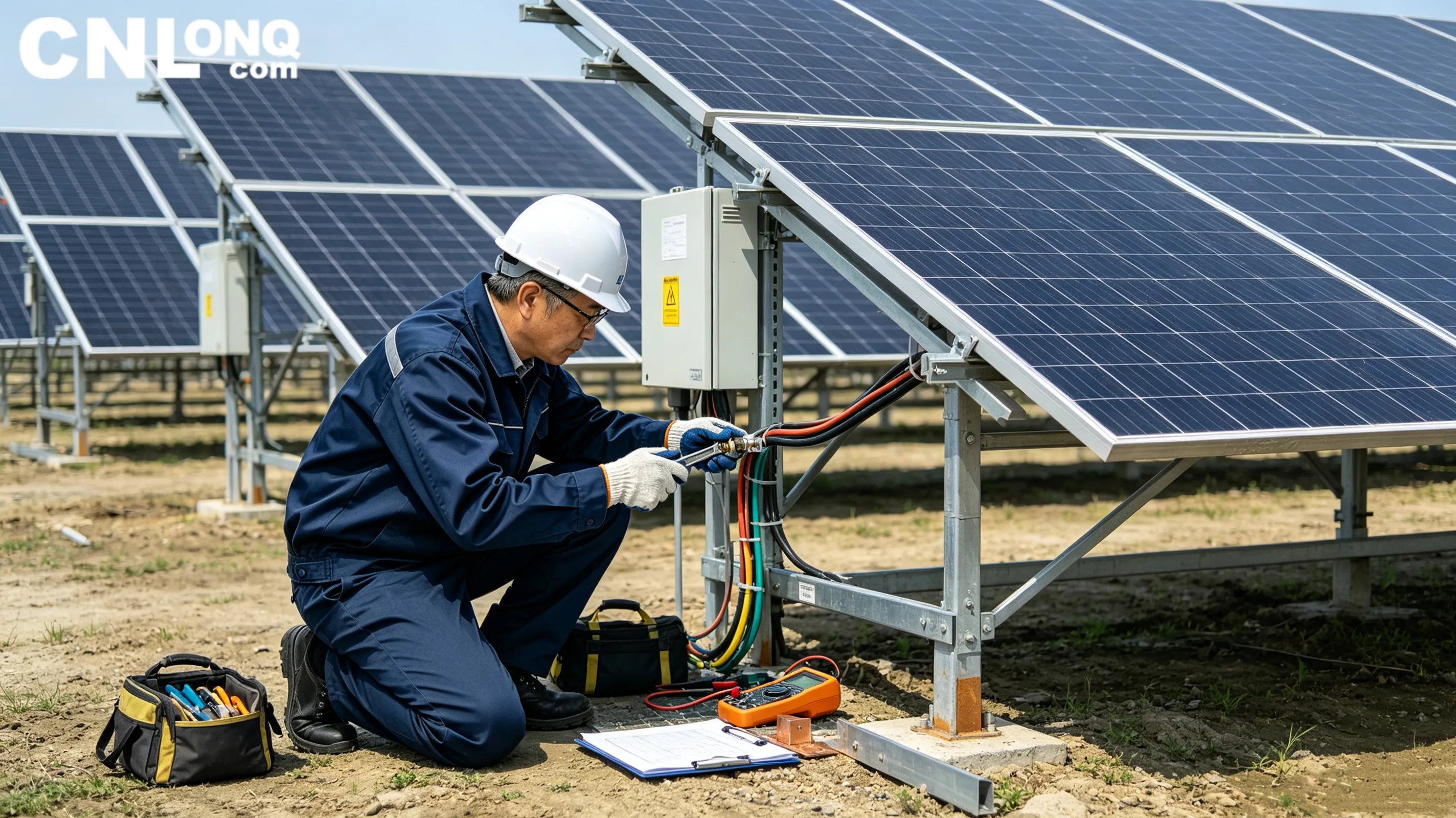
Regular routine inspections are essential during hot seasons. It is necessary to clean dust, dirt and debris on module surfaces in a timely manner to ensure unobstructed ventilation and heat dissipation, effectively preventing hot spot damage caused by partial shading and overheating. Operators should monitor the real-time temperature and operating parameters of core equipment such as inverters and distribution boxes. Abnormal temperature rises, frequent tripping and data fluctuations require immediate shutdown inspection and troubleshooting.
In addition, staff should regularly fasten loose cable terminals and connectors, inspect aging and damaged insulation layers, and replace failed accessories in advance. These measures effectively avoid circuit overload and overheating under high-temperature conditions, eliminate potential electrical hazards and reduce power generation and equipment loss caused by extreme heat.
4.2 Lightning Protection & Grounding Inspection Standards
Special lightning protection inspections must be carried out before the arrival of thunderstorm seasons and after each severe thunderstorm. Maintenance personnel need to fully check the integrity of lightning protection brackets, grounding flat irons and grounding poles, and eliminate rust, fracture and falling-off problems. Regular grounding resistance testing is required to ensure compliance with industry standards and guarantee smooth lightning current diversion.
It is also necessary to check the operating status of DC lightning protection components and inverter lightning modules, and replace aging or broken protective devices in a timely manner. According to weather forecasts, timely power shutdown before thunderstorms can effectively avoid equipment breakdown caused by lightning-induced high voltage. Full post-storm inspections are required to rule out electric leakage and short-circuit risks before restoring normal power generation.
4.3 Flood Prevention, Waterproofing & Wind Reinforcement
Before and after heavy rainfall, focus on checking rooftop drainage systems. Clean accumulated debris around drainage outlets, eaves and modules to ensure smooth drainage and prevent equipment immersion. Inspect the waterproof seals of junction boxes, cable connectors and equipment gaps, and repair or replace aging and failed waterproof rubber strips and sealant to avoid rainwater penetration and internal faults.
After strong wind weather, comprehensively inspect PV brackets, clamping components and fixing structures for looseness, displacement and deformation. Timely reinforcement can prevent structural fatigue and equipment falling risks caused by long-term wind vibration, ensuring the overall structural stability of PV power stations.
5. Standardized Daily Management & Long-Term Operational Values
It is recommended to establish complete operation and maintenance records and track equipment status changes before and after extreme weather. For aging power stations and long-term unattended commercial PV systems, increase inspection frequency to detect and eliminate hidden dangers at an early stage. Timely troubleshooting can effectively reduce maintenance costs, extend equipment service life and maintain safe, stable and efficient power generation in summer.
Adhering to the core philosophy of "Safety First, Service Oriented", we focus not only on equipment supply, but also on full-cycle and refined after-sales operation and maintenance guidance. The service life and long-term revenue of PV power stations rely heavily on standardized daily maintenance, especially under frequent extreme summer weather conditions.
We continue to summarize seasonal operation experience and industry typical faults, and release professional, practical and easy-to-understand PV operation and maintenance guidelines for global partners and end users. By helping users improve independent operation capabilities and avoid seasonal weather risks, we support the safe, stable and profitable operation of global PV power stations. In the future, we will continue to deepen refined PV operation services, empower the industry with professional practical experience, and promote the standardized and high-quality development of the global photovoltaic industry.
