 English
 Español
 Deutsch
 Français
 عربي
عربي
Core Differences Between Circuit Breakers and Disconnectors: Definitions, Functions, and Selection Guide
- What is a Circuit Breaker?
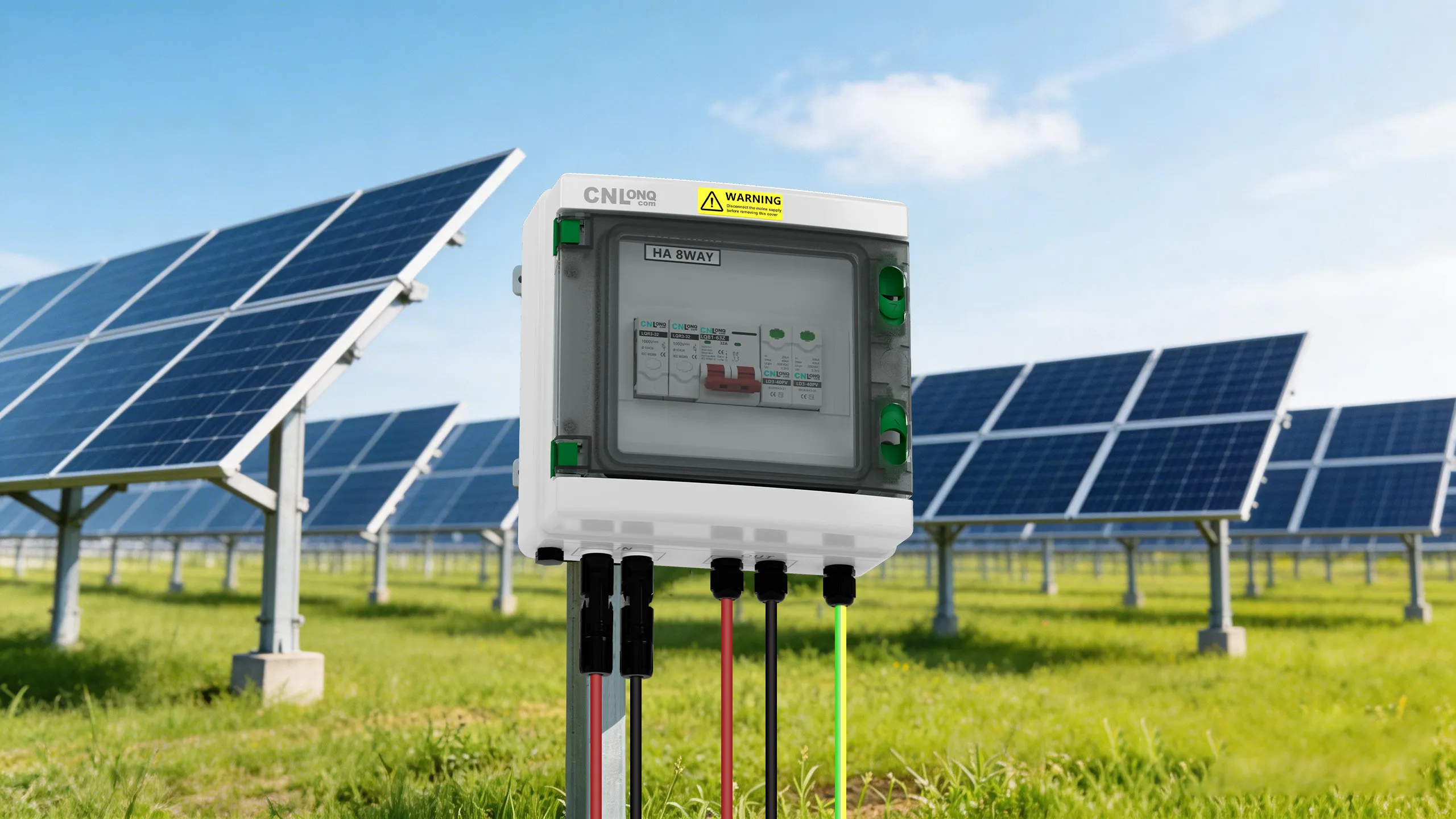
A circuit breaker is a mechanical switching device capable of making, carrying, and breaking currents under normal circuit conditions, and also capable of carrying and breaking currents under specified abnormal circuit conditions (such as short-circuit currents) for a specified time.
Its core value lies in protection: When an overload, short circuit, or ground fault occurs, the circuit breaker—coordinated with protective relays or via its own thermal-magnetic/electronic trip unit—automatically trips to disconnect the power supply, preventing equipment damage and fire spread. Additionally, it is used for routine circuit switching.
The key to this capability is the internal arc extinguishing device (such as a vacuum interrupter, SF6 gas chamber, or arc chute), which safely and rapidly extinguishes arcs even at thousands of amperes.
- What is a Disconnector (Isolating Switch)?
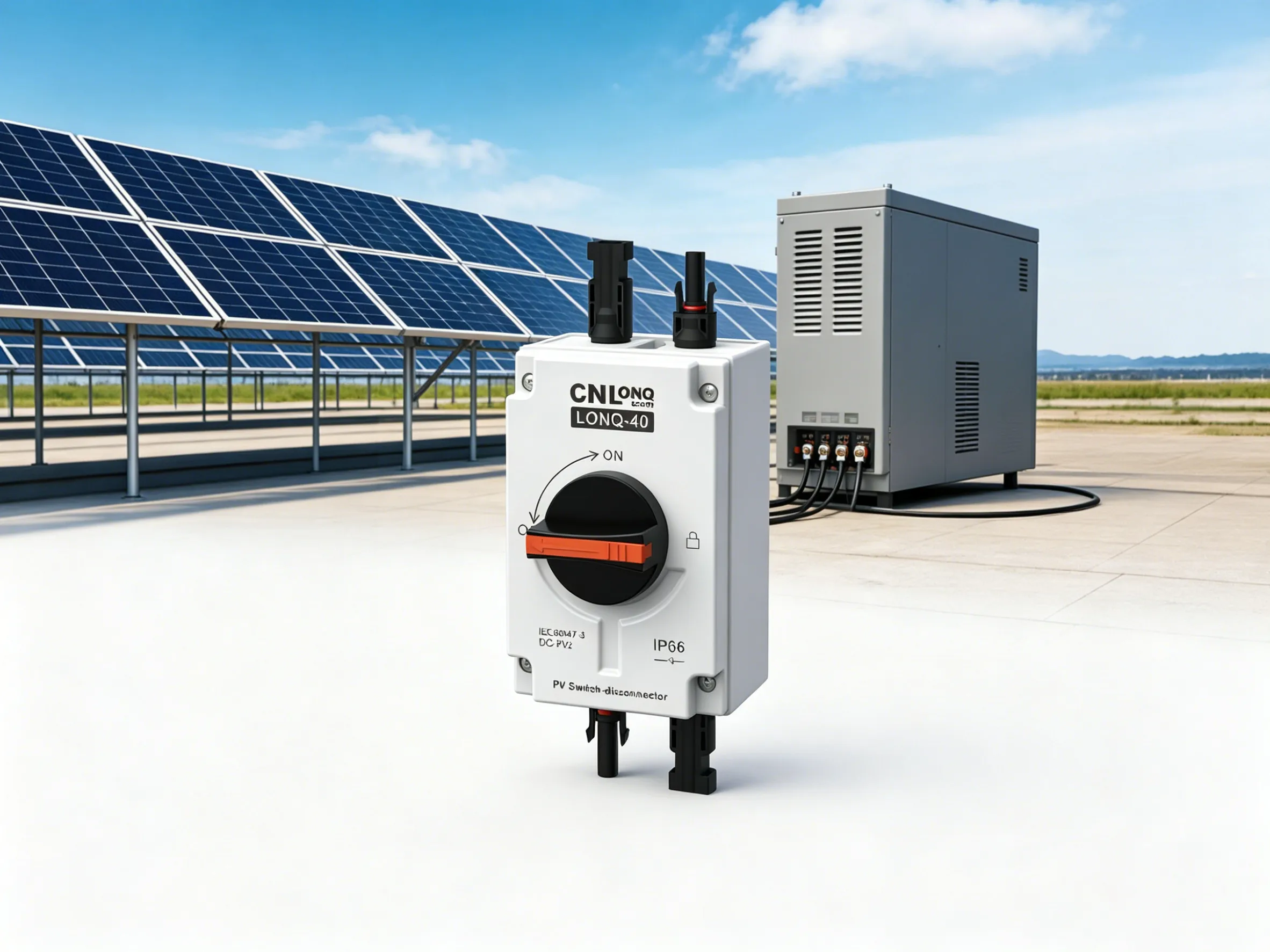
A disconnector (commonly known as an "isolator") is a mechanical switching device without a dedicated arc extinguishing device. In the open position, it provides a visible insulating gap between contacts, intended to reliably isolate energized parts from de-energized parts.
Its core value is safety: It provides maintenance personnel with a "seeing is believing" break point, ensuring personal safety. A disconnector lacks the ability to interrupt fault currents and is strictly prohibited from interrupting load currents.
III. What Are the Differences?
3.1 Difference in Purpose
Circuit Breaker: Positioned for control and protection. It routinely switches normal currents and automatically trips to isolate faults. In short, it is the "warrior" in the circuit, confronting current and ready to cut it off.
Disconnector: Positioned for isolation and switching. Its core mission is to completely separate equipment from the power source during maintenance, providing a visible break for safety. It is also used for bus transfer operations in substations. It is the "guard line," establishing a safety perimeter but not engaging in the "fight."
In a nutshell: The circuit breaker "wields the knife" to cut current; the disconnector "stands guard" to provide isolation.
3.2 Functional Differences
Load Breaking Capability: Circuit breakers support making/breaking under load conditions, with rated breaking capacities up to tens of kiloamperes. Disconnectors are strictly prohibited from making/breaking load current; forced operation will cause severe accidents.
Fault Protection: Circuit breakers offer comprehensive protection, including overload (long-time delay) and short-circuit (instantaneous) tripping. Disconnectors provide no protection functions whatsoever; they are purely mechanical isolators.
Arc Extinguishing: Circuit breakers have dedicated arc chambers for strong, controlled arc quenching. Disconnectors rely on natural air extinction and cannot handle the arcs generated during high-current interruption.
Visible Break: Circuit breaker contacts are typically sealed within the arc chamber, rendering their state invisible. Disconnectors, when opened, create a clearly visible air gap between contacts—a core safety feature.
Operation Mode: Circuit breakers support manual, electrical, and remote automatic control. Disconnectors are mostly locally manually operated, with higher voltage versions requiring specific operating mechanisms.
3.3 Internal Structural Differences
Circuit Breaker: Complex and precise structure comprising four main systems:
Contact System: Includes main and arcing contacts to optimize engagement/disengagement sequence and protect main contacts from erosion.
Arc Extinguishing Device: The core component (vacuum, SF6, or arc chute).
Trip Mechanism: Senses fault currents (bimetallic strip for overload, electromagnetic coil for short circuit).
Operating Mechanism: Uses spring energy, solenoids, or motors to drive contacts at required speeds.
Disconnector: Simple and straightforward structure:
Conductive Path: Consists solely of a moving blade and fixed contacts, relying on clamping pressure for contact.
Insulating Supports: Porcelain or epoxy insulators support and insulate live parts.
Linkage: Mechanical linkage rotates or moves the blade linearly.
Contains no arc extinguishing or tripping devices.
Analogy: A circuit breaker is like a precision firearm with a suppressor and safety mechanism, complex and controlled. A disconnector is like a bayonet—simple, designed for stabbing, but forcing it to "fire" will cause it to "backfire" catastrophically.
3.4 Operational Difference During Circuit Interruption
Physical Process: During breaker opening, the arc is swiftly drawn into the arc chute, cooled, stretched, and extinguished within milliseconds. During disconnector opening, the arc relies solely on air stretching for natural extinction—a slow process prone to causing phase-to-phase flashover.
Permissible Conditions: Circuit breakers are designed for load breaking. Disconnectors must be operated off-load (no current flowing).
Consequences of Misoperation: Normal breaker operation is harmless. Attempting to open/close a disconnector under load generates intense, high-temperature arcing, potentially destroying contacts, causing three-phase arc flash short circuits, equipment explosions, and severe injury or fatality. The vast majority of severe misoperation accidents in power systems involve improper disconnector use.
- Application Scenarios and Selection Recommendations
4.1 Scenarios Recommending Circuit Breakers
Circuits Requiring Automatic Protection: Any circuit subject to potential overload or short circuit must use a circuit breaker. In residential panels, replacing breakers with isolators is strictly prohibited, as failure to trip during a fault will cause wiring to overheat and potentially catch fire.
Circuits Requiring Frequent Switching: Motor controls, master lighting switches, etc. Breakers have high mechanical endurance; frequent operation accelerates wear on disconnectors.
Remote/Automatic Control Needs: Points requiring remote switching or interlocking in smart buildings or industrial automation.
Motor Protection: Essential for handling high inrush currents and potential locked-rotor conditions, providing both overload and short-circuit protection.
4.2 Scenarios Recommending Disconnectors
Maintenance Isolation: Installing disconnectors on either side of a circuit breaker allows for opening them after the breaker trips, creating a visible, lockable isolation point for safe maintenance work.
Busbar Transfer in HV Substations: Used in double-busbar configurations for switching circuits between busses without interrupting supply.
Voltage Transformer / Surge Arrester Circuits: These draw negligible current, allowing direct switching via disconnectors without arc concerns.
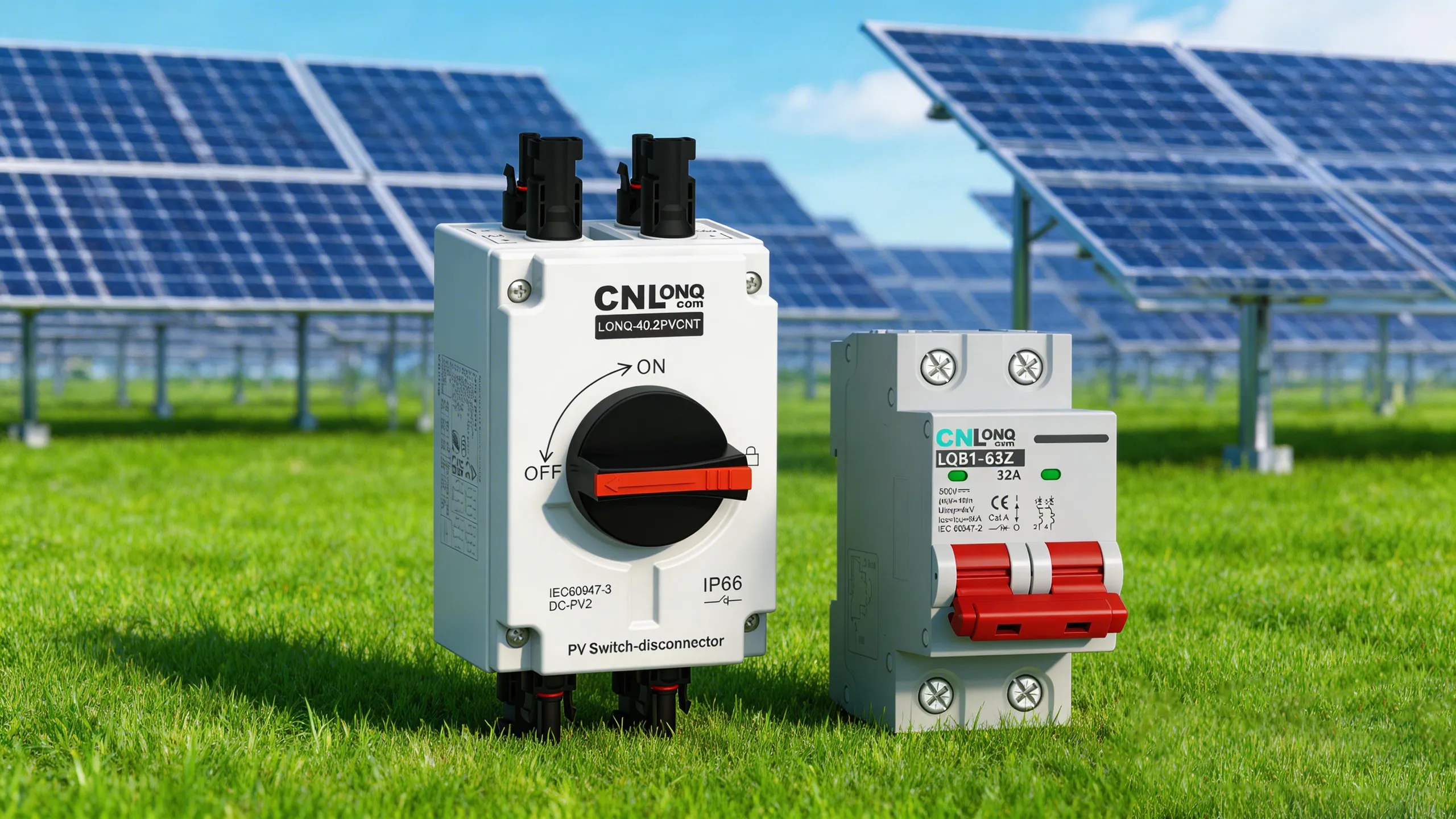
PV System DC Isolation: A dedicated DC disconnector is required between the PV array and inverter for emergency shutdown and safe maintenance.
4.3 Typical Coordinated Application Schemes
Low Voltage Main Distribution: Incoming Supply → Disconnector (Main Isolator) → Air Circuit Breaker (Main Protection) → Busbar → Molded Case Circuit Breakers (Feeder Protection).
High Voltage Substation: Employs a series configuration: Disconnector—Circuit Breaker—Disconnector. Normal switching is done by the breaker. For maintenance, the breaker is opened first, followed by both disconnectors, creating a safe, isolated work zone.
Cardinal Operating Rule: For Energization: Close Disconnector first, then close Circuit Breaker. For De-energization: Open Circuit Breaker first, then open Disconnector. This sequence must never be reversed.
4.4 Quick Selection Decision Guide
Prevent damage from short circuits → Choose a Circuit Breaker.
Ensure personnel safety during maintenance → Add a Disconnector.
Need frequent switching → Choose a Circuit Breaker.
Prevent inadvertent re-energization → Choose a lockable Disconnector.
Conclusion
In essence, a circuit breaker is a "switch with protection," its core purpose being fault prevention and system safety through automatic response. A disconnector is an "isolator with a visible break," its core purpose being visible disconnection and maintenance safeguarding. These two devices are not interchangeable. Proper selection must consider the specific needs for protection functions, switching frequency, and maintenance isolation, in conjunction with voltage level and load characteristics, to ensure the power system operates safely and reliably.
