English
 Español
 Deutsch
 Français
 عربي
عربي
PV Disconnect Switch: The "Safety Guardian" of Solar Systems – A Complete Guide
- Definition and Function of PV Disconnect Switches
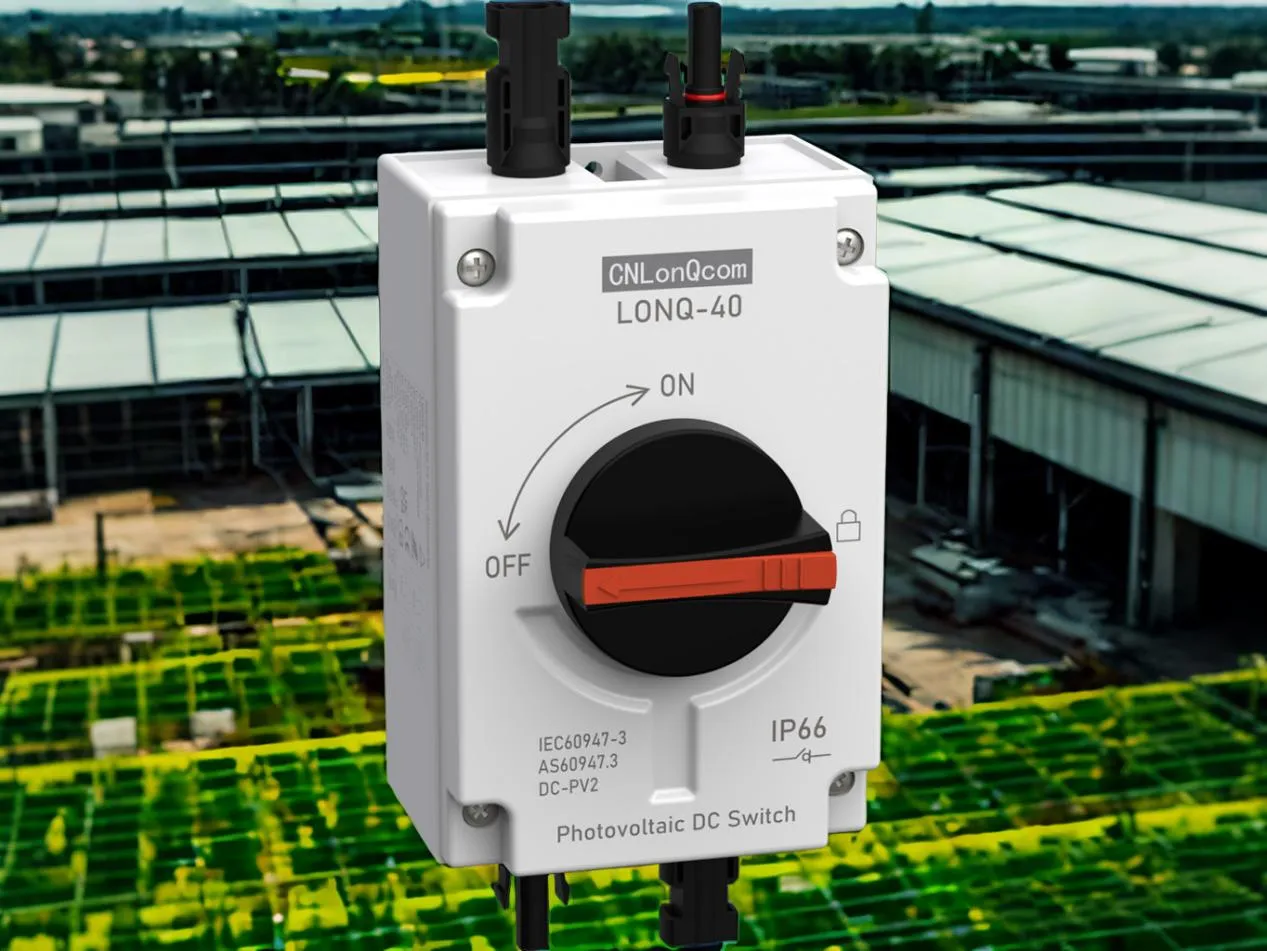
A PV Disconnect Switch is a safety switch specifically designed for DC circuits in solar power systems. It serves two primary functions: electrical isolation and emergency shutdown, acting as the "emergency brake" of a PV system to ensure absolute safety during maintenance or faults.
Core Functions
Physical Isolation: Provides a visible breakpoint to ensure no current flows during maintenance.
Overload Protection: Some models integrate fuses to prevent short-circuit damage.
System Segmentation: Allows selective disconnection of individual strings without affecting the entire system.
Why Must Solar Systems Use Dedicated Disconnect Switches?
✔ Standard AC switches cannot reliably interrupt DC arcs (hazardous!).
✔ Complies with international safety standards (e.g., NEC 690.17).
✔ Prevents reverse current from damaging components.
- Core Roles of PV Disconnect Switches
- Safety Isolation (Primary Purpose)
Maintenance Safety: Provides a clear physical breakpoint when servicing inverters or wiring.
Emergency Shutdown: Quickly cuts off high DC voltage in case of fire, lightning, etc.
Reverse Current Protection: Prevents inverters from feeding power back to panels at night.
- Overload Protection (Enhanced Features)
Protection Type Implementation Effectiveness
Short-Circuit Protection Built-in DC fuse Interrupts fault current (up to 1000VDC/20kA).
Overcurrent Protection Thermomagnetic trip mechanism Prevents cable overheating/fires.
Arc Fault Protection Fast-breaking design (<3ms) Complies with UL1699B arc fault standards.
- System Management
String-Specific Control: Large plants can manage sections (e.g., 1 switch per 10 strings).
Status Visibility: Mechanical indicator window (some with LED lights) shows ON/OFF state.
III. Types and Selection of PV Disconnect Switches
- By Structure
Type Features Applications
Manual Handle Type Mechanical handle visible breakpoint, low cost. Residential/small commercial systems.
Load Break Type Can interrupt load current (requires arc chute). Medium-scale PV arrays.
Fuse-Combination Type Integrated DC fuse, dual-purpose design. High short-circuit current scenarios.
- By Voltage Rating
600VDC Class: Standard for residential systems (China/Europe).
1000VDC Class: Large solar farms (U.S. NEC requirement).
1500VDC Class: Next-gen ultra-high voltage systems (cost-efficient).
- How to Choose a PV Disconnect Switch?
- Check Certifications
North America: UL 98B, NEC 690.17.
Europe: IEC 60947-3, VDE 0660.
- Key Parameters
Rated voltage ≥ system max voltage (20% margin).
Breaking capacity ≥ expected short-circuit current.
Protection rating: IP65 for outdoor use.
- Installation and Maintenance Tips
- Installation Location
Mandatory: Within 1 meter of inverter DC input (NEC requirement).
Recommended: At combiner box output.
- Maintenance
Check contact oxidation every 6 months.
Test breaking speed annually.
Inspect grounding resistance before thunderstorm season.
Conclusion: Safety First, Isolation is Key!
Though small, PV disconnect switches are the last line of defense for personal safety. With the rise of 1500V systems and smart PV, next-gen switches are evolving toward higher voltage, faster breaking, and IoT integration.