English
 Español
 Deutsch
 Français
 عربي
عربي
Oil Crisis, Rising Oil Prices, and the Rise and Protection of PV Energy
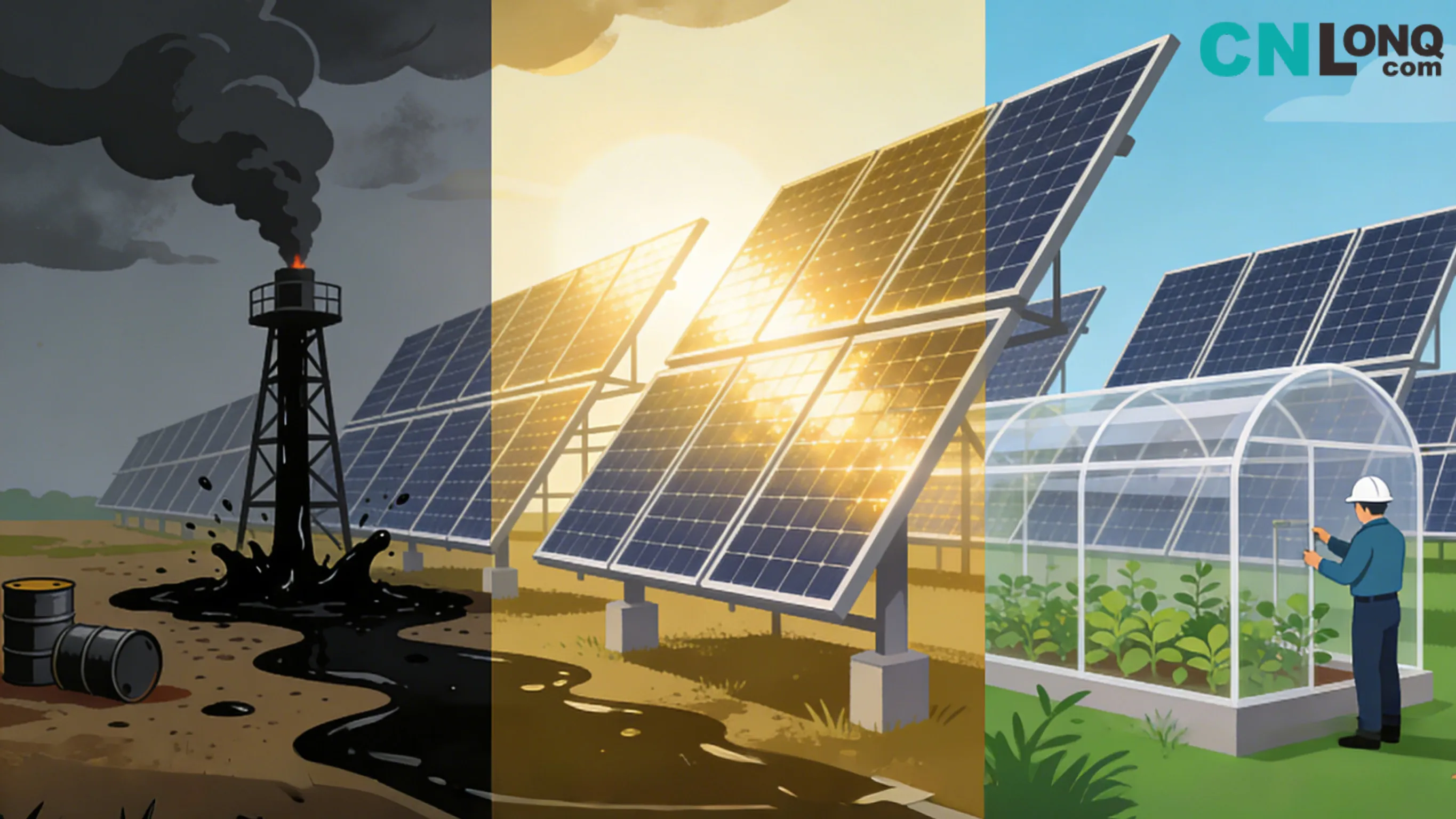
In late February 2026, renewed military conflicts in the Middle East triggered a new round of global energy turbulence. With major oil transportation routes disrupted, international oil prices soared, reminding the world of the painful lessons from the 1973 oil crisis. This wave of turmoil has once again highlighted the fragility of the fossil fuel-dominated energy system—and accelerated the world’s shift toward solar photovoltaic (PV) power as a strategic, stable, and independent energy source. At the same time, the healthy development and protection of the PV industry have become critical to global energy security.
- Middle East Conflict & Oil Price Surge: A Replay of Energy Crisis
The latest escalation in the Middle East has severely disrupted global oil supply.
Key shipping lanes such as the Strait of Hormuz face major disruptions, affecting nearly one-third of global seaborne oil trade.
Brent crude oil soared from around $60 per barrel to over $120 per barrel in a short period, an increase of more than 65%.
The market has priced in a significant geopolitical risk premium, leading to sharp volatility in energy markets, inflation pressures, and rising industrial and living costs worldwide.
This crisis has made one fact undeniable:Over-reliance on oil means exposure to uncontrollable geopolitical risks.
- PV Power: From Alternative to Strategic Necessity
Against the backdrop of rising oil prices and supply instability, PV has evolved from a supplementary energy source into a cornerstone of global energy security.
(1) Unmatched Economic Advantages
With continuous technological breakthroughs and large-scale applications, PV has become the most cost-effective power source in most parts of the world. Its levelized cost of electricity (LCOE) is far lower than oil-fired and gas-fired power generation. Every rise in oil prices further strengthens PV’s economic competitiveness.
(2) Real Energy Independence
Unlike oil, solar energy requires no fuel imports, is not controlled by international conflicts or transportation blockades, and can be deployed in distributed or large-scale ground-mounted systems. For countries and regions seeking energy self-sufficiency, PV provides a realistic and scalable solution.
(3) Strong Global Demand Growth
Driven by energy security and carbon neutrality goals, global PV installations continue to surge. China, as the global leader in the PV industry, maintains a complete, independent, and high-efficiency supply chain. Meanwhile, demand from Europe, Southeast Asia, the Middle East, and the Americas is growing rapidly.
- PV Protection: From Rapid Growth to High-Quality Development
As PV becomes a pillar industry, industry protection is no longer about simple support, but about ensuring sustainable, innovative, and healthy development.
(1) Standardization and Capacity Optimization
Governments and industry organizations have introduced stricter standards for product efficiency, quality, and safety. Low-efficiency, outdated production capacity is being phased out, pushing the industry toward high-efficiency, high-value competition.
(2) Intellectual Property Protection
Core technologies such as N-type TOPCon, HJT, BC cells, and perovskite are key competitiveness. Strengthening patent protection encourages innovation and prevents vicious, low-price competition.
(3) Supply Chain Stability and Security
Maintaining a stable, safe, and controllable industrial chain—from silicon materials to modules, inverters, and cables—has become a national and industrial strategic priority.
(4) Full Lifecycle Management
With more PV modules reaching the end of their service life, the establishment of recycling systems ensures the sustainable development of PV throughout its lifecycle, from manufacturing to disposal.
(5) International Competition and Fair Trade
Against the backdrop of global trade frictions, reasonable international layout, standard output, and fair trade rules help protect the long-term competitiveness of the PV industry.
- Conclusion: Protecting PV Means Protecting the Future of Energy
From the 1973 oil crisis to the 2026 Middle East conflict, history has repeatedly proven thatthe world can no longer afford long-term dependence on fossil fuels.
PV energy, driven by technology, supported by industry, and guaranteed by sound governance, is leading humanity from the oil era to the solar era. Protecting the orderly, innovative, and healthy development of the PV industry is not only an industrial choice but also a strategic choice for global energy security, climate action, and sustainable development.
The sun does not belong to any region or country—and solar energy will become the most inclusive, stable, and promising energy for the world.