 English
 Español
 Deutsch
 Français
 عربي
عربي
What You Should Know About PV Combiner Boxes
The PV combiner box serves as the critical interface between the photovoltaic (PV) array and the inverter, playing a key role in current aggregation, electrical protection, and intelligent monitoring. As the solar industry advances toward higher intelligence and reliability, the combiner box has evolved from a simple current collection device into an intelligent monitoring unit with multiple protection functions.
- What Is the Purpose of a PV Combiner Box?
The primary purpose of a PV combiner box is to address the wiring complexity and maintenance difficulties caused by the large number of PV modules in large-scale solar plants. Its main functions include:
Current Aggregation and Optimization: It combines the DC outputs of multiple PV strings (typically 6 to 24 inputs) in parallel and delivers a unified output to the inverter, significantly reducing the number of cables and optimizing system architecture.
Tiered Protection: When an abnormality (e.g., overcurrent or short circuit) occurs in a string, protective devices such as MCBs or fuses inside the combiner box quickly isolate the faulty branch, preventing the fault from spreading to the entire array and blocking reverse current that could damage the modules.
Surge and Overvoltage Protection: Designed for outdoor environments, the combiner box incorporates Surge Protective Devices (SPDs) to dissipate transient overvoltages caused by lightning strikes or grid switching events, safeguarding downstream equipment like inverters.
Intelligent Monitoring (Modern Trend): Next-generation smart combiner boxes monitor real-time parameters such as string current, voltage, temperature, and insulation resistance. Data is transmitted via communication interfaces to enable remote fault diagnosis and intelligent operation and maintenance (O&M).
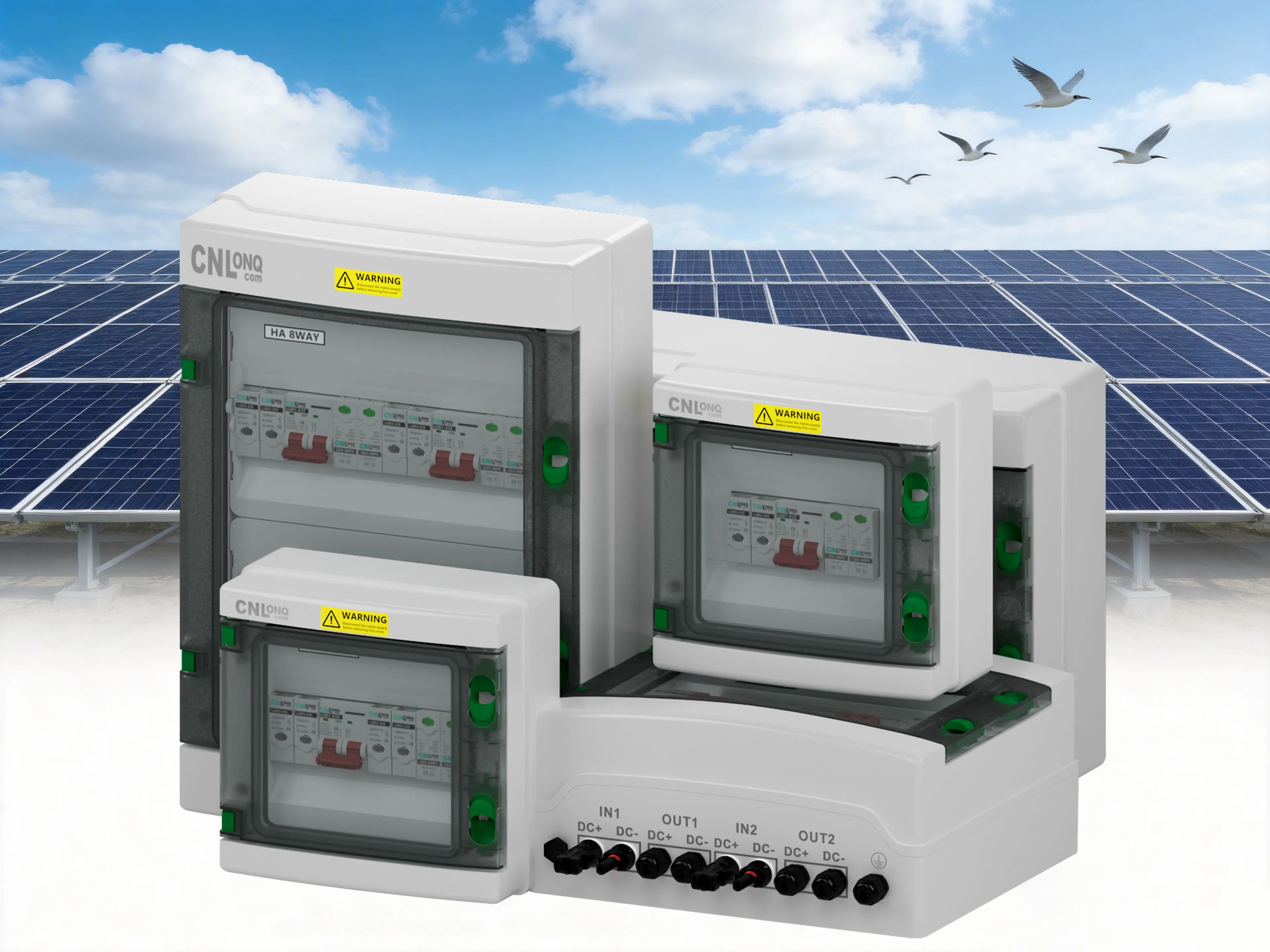
- Key Components of a PV Combiner Box
A standard PV combiner box consists of the following core modules, which work together to ensure system safety:
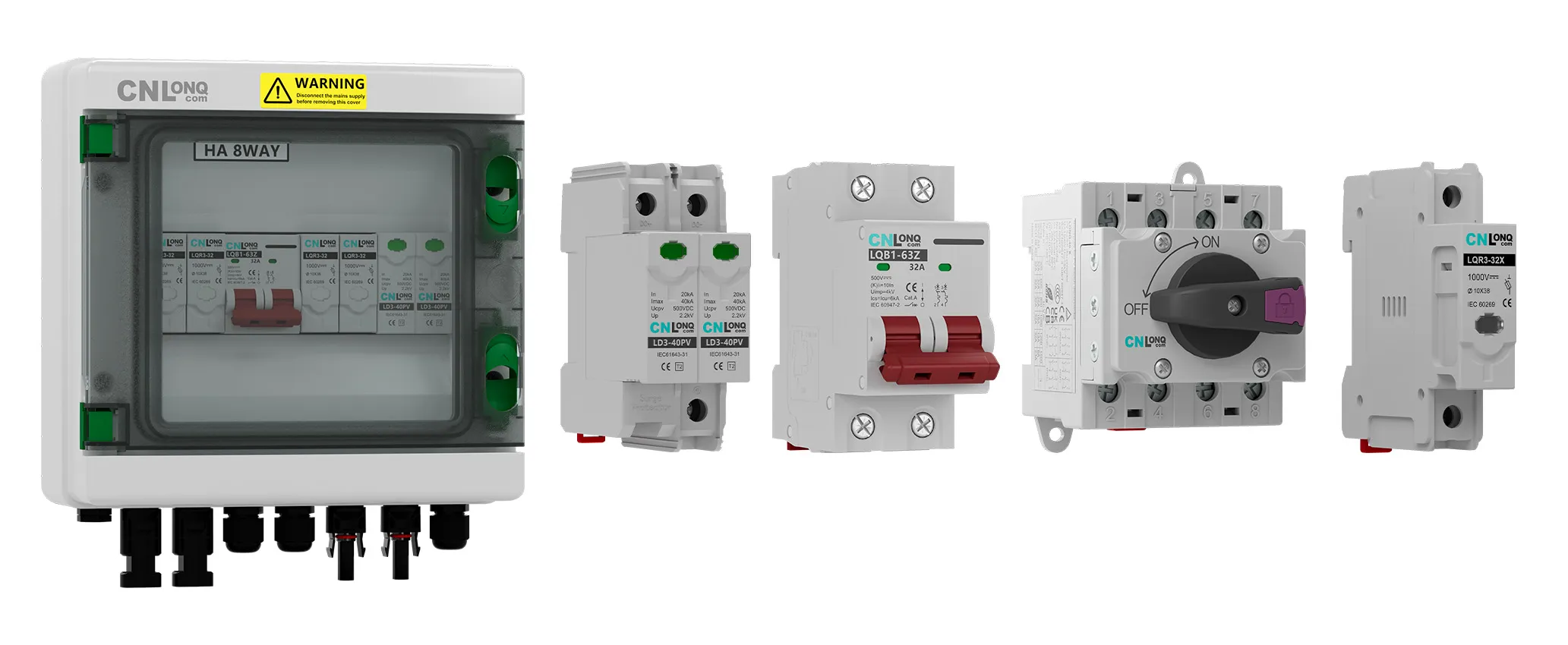
Molded Case Circuit Breaker (MCCB) / Miniature Circuit Breaker (MCB): Acts as the core circuit protection device, rapidly interrupting overcurrent and short-circuit faults to prevent fault propagation and protect both PV strings and the combiner box itself.
Fuse: Melts instantly during overcurrent or short-circuit conditions, providing precise short-circuit protection for PV strings and preventing equipment damage.
Surge Protective Device (SPD): Absorbs transient high-voltage surges caused by lightning strikes or grid fluctuations, preventing high voltage from damaging internal components and downstream equipment.
Disconnect Switch: Allows manual disconnection of the combiner box from the circuit, creating a safe working environment during equipment inspection and maintenance, eliminating the risk of working under live conditions.
Enclosure: Made of PC ABS material with flame retardant and UV-resistant properties. With an IP65 ingress protection rating, it effectively withstands outdoor exposure to rain, dust, and UV radiation, ensuring reliable operation of internal components.
- How to Select a PV Combiner Box?
Selecting the right combiner box requires careful matching based on project-specific conditions. Price alone should not be the deciding factor.
Electrical Parameter Matching:
Voltage Rating: The rated voltage (typically DC1000V or 1500V) must be selected based on the module open-circuit voltage (Voc) adjusted for low temperatures, ensuring that voltage does not exceed the combiner box rating under extreme cold conditions.
Current Capacity: The total output current should satisfy the formula:
Imax = Number of parallel strings × Module short-circuit current × 1.25 (safety factor), with an additional margin of about 30%.
Environmental Adaptability:
Ingress Protection (IP) Rating: In coastal, high-humidity, or dusty areas, IP65 or even IP67 is recommended to prevent salt spray corrosion or dust ingress that could damage internal components.
Operating Temperature: For extremely cold regions, consider models with built-in heaters; for high-temperature environments, pay attention to thermal design.
Number of Input Strings: Common configurations include 8, 12, 16, and 24 inputs.
Intelligence Requirements: For large-scale power plants, smart combiner boxes with remote monitoring capabilities are recommended to enable rapid fault localization, reduce O&M costs, and increase energy yield.
- Installation Precautions for Solar Combiner Boxes
Combiner box installation involves live electrical work, and safety regulations must be strictly followed:
Verify Disconnection Before Wiring: Before connecting input terminals inside the combiner box, ensure that clear disconnection points exist on both the PV module side and the inverter side to prevent DC high voltage hazards.
Polarity Check and Insulation Testing: Verify cable polarity before wiring to avoid reverse connection. After installation, perform insulation testing on input, output, and grounding terminals.
Reliable Grounding: The metal enclosure and grounding terminals must be securely connected to the lightning protection ground. Grounding resistance should not exceed 4Ω, and ground conductors should be as short and straight as possible.
Waterproofing and Sealing: Ensure cable glands are tightened properly. Seal all unused entry holes to prevent moisture ingress that could cause short circuits.
Fuse Status: During installation and commissioning, keep fuse elements or holders in the open (non-inserted) position. Only insert fuses after all checks are completed and wiring is confirmed correct.
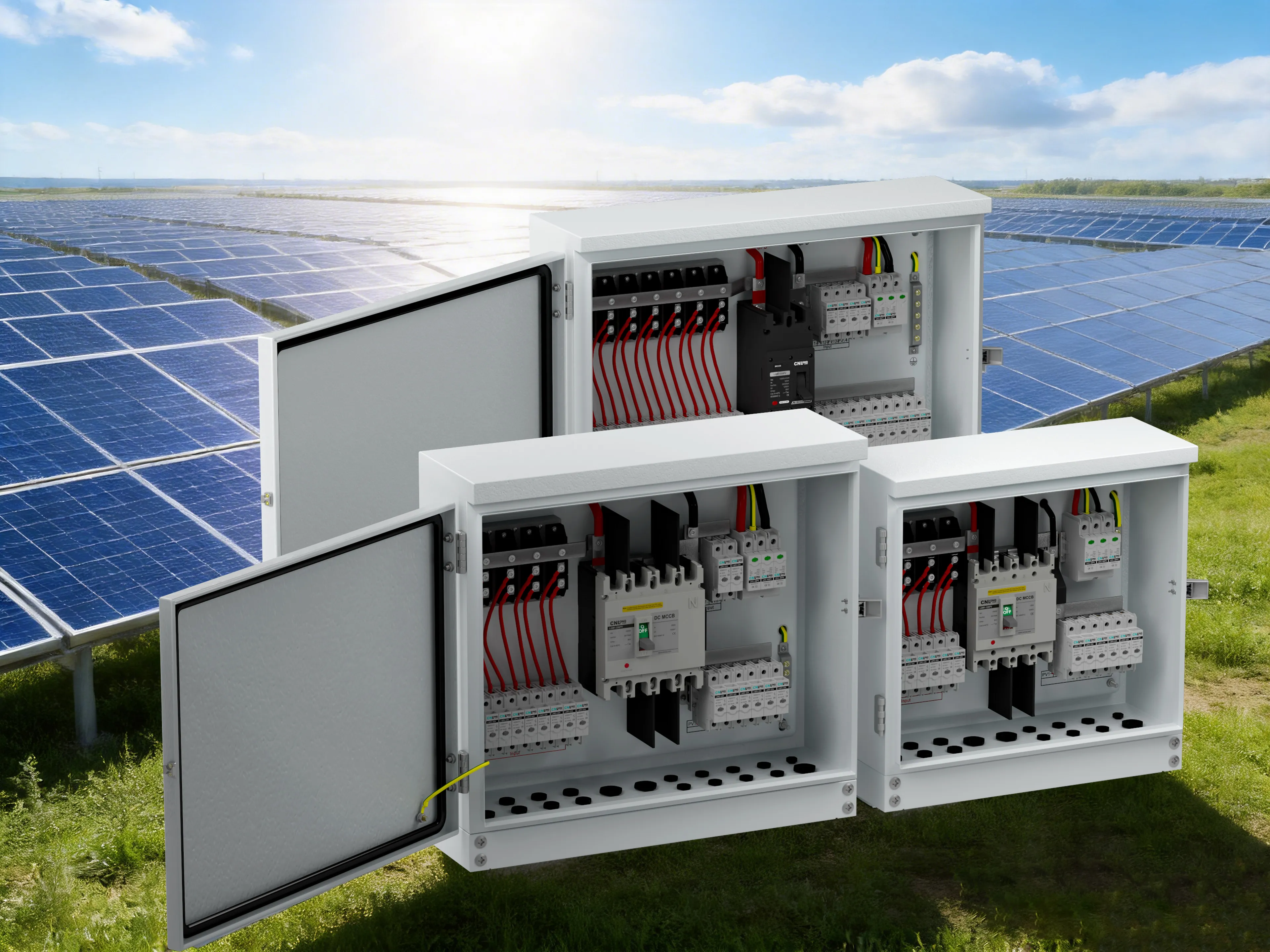
- When Should a Combiner Box Be Used?
Not all PV systems require a combiner box. However, it becomes an indispensable standard component in the following scenarios:
Large Centralized Power Plants: When a PV array consists of thousands of modules, combiner boxes are essential for tiered current aggregation before connection to central inverters.
String Inverter Systems: Although string inverters can directly connect to a limited number of strings, combiner boxes are often used on large rooftops or ground-mounted arrays to reduce the number of inverters and lower AC cable costs.
Scenarios Requiring Detailed O&M: In commercial and industrial (C&I) distributed PV systems, smart combiner boxes are chosen to monitor the performance of each string, enabling timely detection of shading or soiling issues.
- Conclusion
Though small in size, the PV combiner box serves as both a “hub” and a “guardian” for the safe and efficient operation of a PV system. As the industry evolves, the combiner box is transforming from a traditional metal enclosure into an intelligent node integrating protection, monitoring, and communication functions.
